
Communication and radical candor are often requested—and in critical moments, necessary. That reality was reinforced by buy-side veterans speaking from experience shoulder to shoulder as the beginning of this year rapidly got underway.
A “black swan” event is defined by Britannica as a high-impact event that is difficult to predict under normal circumstances but that in retrospect appears to have been inevitable. Unexpected by nature and therefore difficult to prepare for, it is often rationalized with the benefit of hindsight as having been unavoidable.
Rob Billow of Charlie's Produce, Kevin Carter of Associated Wholesale Grocers, Noelle Neary of Wakefern, and Kristi Novak of H-E-B took the stage for the Black Swan Event: Preparing for the Unpredictable at the start of SWIPE 2026, hosted by the Fresh Produce Association of the Americas, and dug into the uneasy side of the produce business.
And because one key term that has become so strongly tied to black swan events is outbreaks, it may come as no surprise that, when asked what everyone would put $5 million toward to prevent or cope with a black swan event, nearly everyone said food safety. But it was Rob and Kristi who had something more or different to say.
 “I think food safety is a good spot. And I also think with people, so education, modeling up your teams, leveling up your management, and spending that money on development in between, is also really key,” Rob observed.
Kristi, instead, looked to the warehouses and labor advantages. As Texas and many eastern states faced empty shelves amid an extreme winter storm, she shared that the most effective way to manage such a situation was to be at the cutting edge of production technology.
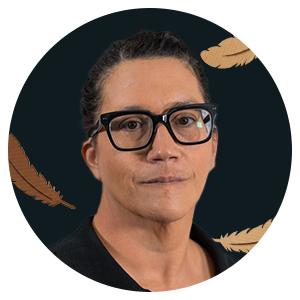 “Upgrades for warehousing, infrastructure, that sort of thing, those are the ultimate service to your customers. If your warehouse and your labor aren’t up to date, or you are not 100 percent on the cutting edge—using the latest technology, using automation, all that—I think that helps you so much in these times of crisis. You maximize the labor, maximize your throughput. I think that's where I put my money,” she said assuredly.
But everyone agreed that the most important thing in the challenges is the relationships you establish every day, good times and bad. With a strong emphasis on communication, especially those conversations, each emphasized how the times testing relationships are the most valuable results of black swan events.
Noelle spoke to the importance of keeping shelves as stocked as possible to mitigate consumer panic, and understanding on both sides is what makes that happen.
 “You hopefully have these great relationships with your suppliers where you need the product immediately, because we can work on pricing and everything else later on,” she said, while emphasizing the importance of suppliers getting a fair return for their product. “It's very important, because if they don't get their return, where is the industry in however many years? So those relationships are so important. I think communication is essential and key.”
Kevin Carter opened the floor by establishing that such events can and have upended fresh produce—for example, what happened to Chilean grapes, Washington apples, and California citrus in 1989—in ways that have marked permanent new practices, standards, and even vocabulary.
 “1989 taught us a lot of lessons. The word bioterrorism wasn't even used at that time. The word bioterrorism first came out in a book about world eco- and bioterrorism in 1987, but it wasn't used commonly as a word until 2001. And now we all do extraordinary things to protect against it,” he said in reference to the intentional introduction of Mediterranean fruit flies in the Los Angeles area that contributed to the plight of those commodities.
It is because of these situations that Kevin advised strongly for up-and-coming produce professionals to lean on, question, and absorb what they can from available mentors.
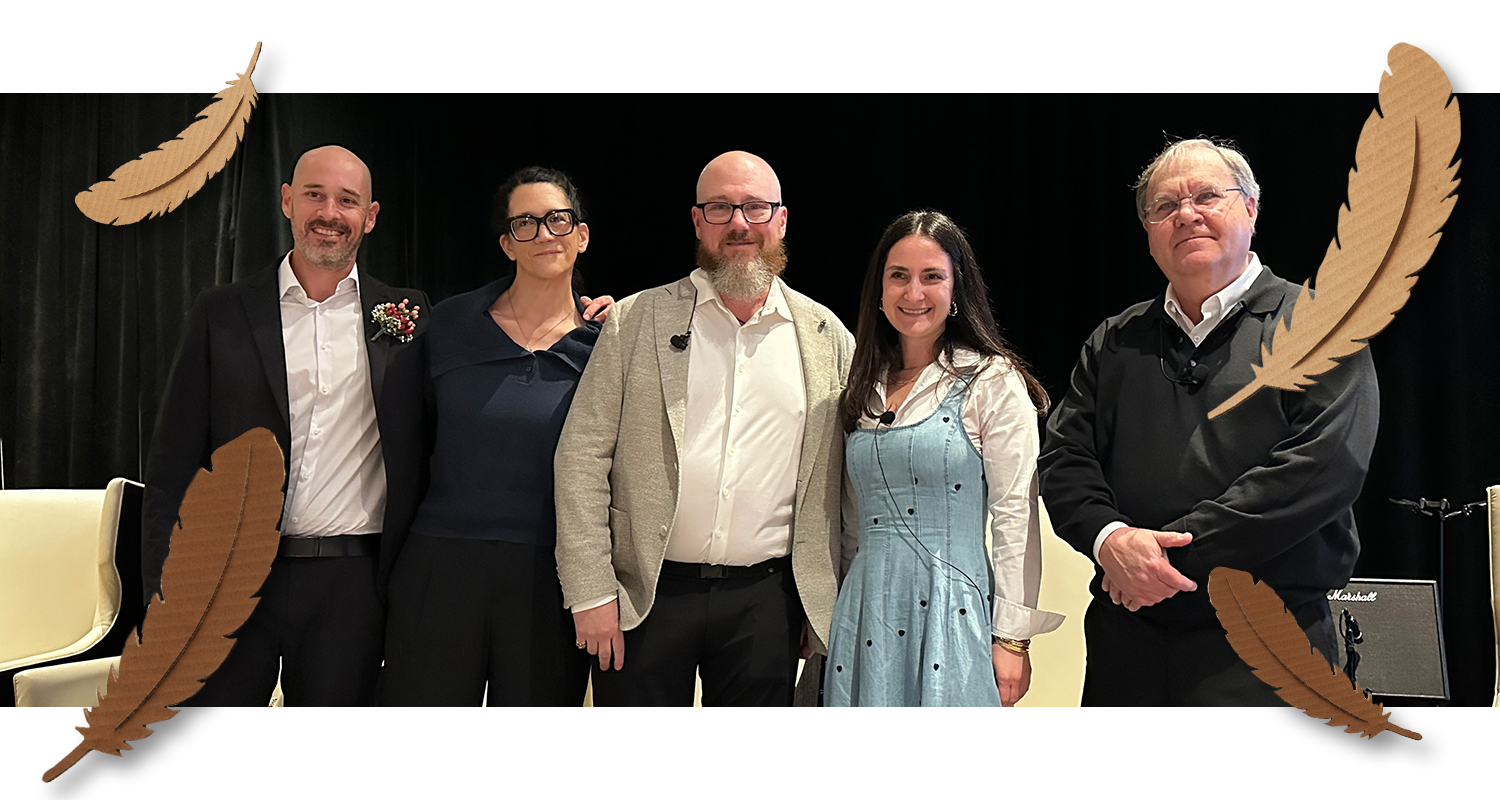
“While we have those mentors and leaders, tap into them to learn how they encountered and maneuvered through crisis, and watch what they do. Pay attention to the way that they behaved in a time of crisis, and how they led, communicated, gathered their team together, asked questions, and formed responses to those types of crises,” he said to the gathering.
With several suppliers in the room ready to hear what question does not get asked enough, Kristi shared the importance of hard conversations and understanding the model of the retailer.
“We are really trying to take care of our customers. And I think having thoseconversations—How are you going to market? What are you doing? How do you explain this?” she said, while landing on why a particular cost is needed as the most important question. “What is your retail? What do you need so we can work it out and work together? It's a very hard conversation sometimes, but it's necessary. And sometimes they're scared, because they don't want to tell us, ‘well, hey, we need a little bit more money,’ but explain it to me. If you tell me what your inputs are and what your process is, then I will work to take care of you. But if it’s just that the market is at 75, I don’t think that conversation is going to go well.”
"If your warehouse and your labor aren’t up to date, or you are not 100 percent on the cutting edge—using the latest technology, using automation, all that—I think that helps you so much in these times of crisis."
-Kristi Novak, Produce Buyer, H-E-B
Similarly, Rob said he wants to know what Charlie’s Produce can do to make up for the cost needed, but vendors are not prepared to have the conversation.
“They just want to know what I want. I think it's like when you get a job interview, you want somebody who knows a little bit about your company. I want to know what my team can do to help them be successful and make me more successful. I want to know if we make life difficult for them,” he said, encouraging the room to lean into the hard conversations. “We talk to customers, we have hard conversations with customers, and that level of radical candor is about our relationship. It's not ugly, it's just about wanting the give and take in that relationship.”
Rob also talked about the importance of ensuring, especially in a crisis situation, that information is not bottlenecked.
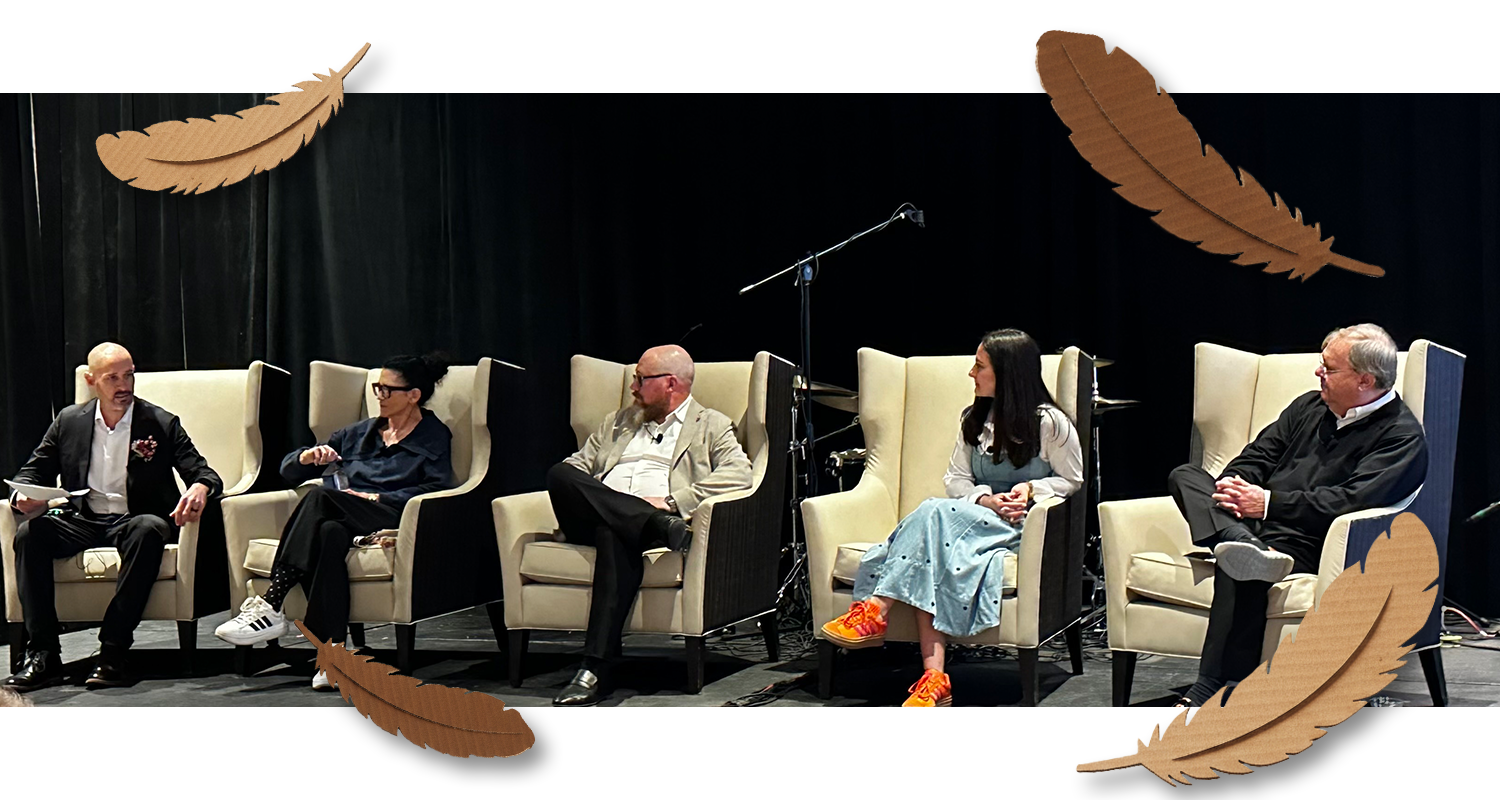
“A lot of the communication starts at a transactional level and making sure that that communication continues to climb the ladder so that people who are not just on the front lines know what's going on,” he said, adding he’d rather have too much information than not enough. “It doesn't mean that I'm going to act on it, but when you don't get the information, you can think that it didn't get there; there's a level that doesn't necessarily raise the flag when it should. So, make sure that you've got the right links to get that information into your business product.”
When it isn’t about those hard conversations, Noelle shares what it means to be kept in the loop, even if not every email is responded to.
“We're all very busy. Every supplier is very busy, and sometimes emails don't get answered, and it's not a personal thing. But a customary check-in—hey, can we do business on this side in the future? This is where I'm at—gives me somewhere to go, because you never know when other suppliers are going to fall down,” Noelle reflected. “I never responded, but I remember that they keep giving me market updates and just keeping me in the loop without pressuring me. So when somebody does fall down, I can say, ‘Hey, can you come in for a meeting? Let's see what opportunities there are.’”
"While we have those mentors and leaders, tap into them to learn how they encountered and maneuvered through crisis, and watch what they do."
-Kevin Carter, Category Manager, Associated Wholesale Grocers
At the end of the day, Kristi shared that a black swan event—or any challenge—is a mirror of the relationships we’ve built.
“Sometimes it makes the relationship stronger, and sometimes it shows the cracks in the relationship you didn’t know were there before. It is important to be sure you’re a fair partner as well,” she shared, before giving a key piece of advice when the world is upside down. “You have to put yourself out there. If it works, it’s going to be awesome, and you’re going to be the hero, and if it doesn’t, you’ll feel like a zero—take the loss and move on. And that’s hard for anybody, especially in the produce industry. You’re all type A, golf-swinging, get everything right. So I think you just have to learn to fail forward, see what you learned from that failure, and go home.”
While black swan events are, by definition, unavoidable, we are an industry at the mercy of the unavoidable by nature. If anyone can find a way to float, it is us.