Size does not always indicate impact. In our industry, the largest variable is the smallest physical offering. Because nothing grows without a seed.
“Our breeders stay closely connected to customers and the wider food value chain, ensuring that every breeding decision is guided by real needs in the market. While developing a new variety takes years, the motivation comes from knowing that we are creating solutions that help growers, traders, retailers, and consumers succeed. The strongest confirmation that we are on the right track is when our customers and their customers see value in the varieties and concepts we bring to market,” Jean-François Thomin, Global Manager Marketing Projects for Enza Zaden, shares.
In fact, listening to some of the voices behind the seed breeder and provider, I’m struck by how few need to know every aspect of the industry like those who produce those seeds. As Justin Lanier, Sales Manager of the United States, points out to me, the balance between consumer demands and grower needs, then what is necessary at retail, is a tenuous balance.

“We can’t lose sight of the end consumer, because they’re the ones who are going to drive the market,” Justin agrees. “If the consumer doesn’t buy it, the grower doesn’t have anything to grow. That’s why we have a portfolio—you can’t please everyone with the same product. The idea is to have enough to cover as much of the market as possible. At the end of the day, we have to keep all the members of the chain in mind when developing a product—because if it doesn’t work for one part of the chain, it won’t work for any of it.”
Far from having eyes only on the finish line, Justin tells me how the foundation of Enza Zaden’s goal is to create products that reduce risk throughout the rest of the chain.
“You want to make a product stable agronomically; take the risk out of production factors. From the shipping standpoint, making them firm, making them hold—we look at rind thickness, all these different traits that go into whether a product can ship and hold in a retail store. And then at the consumer level, the consistency of the experience,” he says.
“The strongest confirmation that we are on the right track is when our customers and their customers see value in the varieties and concepts we bring to market.”
Jean-François Thomin, Global Manager Marketing Projects, Enza Zaden
Yes, this existence of providing fresh food is a risky one, and sacrifices are often needed at nearly every step to make miracles happen in the way of successfully completing the supply chain across a multitude of categories. But Justin’s own philosophy is one that makes it feel more like an adventure: “That’s the fun of produce—you never know everything. If you know everything, it gets boring!”
And when you get it right, it’s exhilarating.
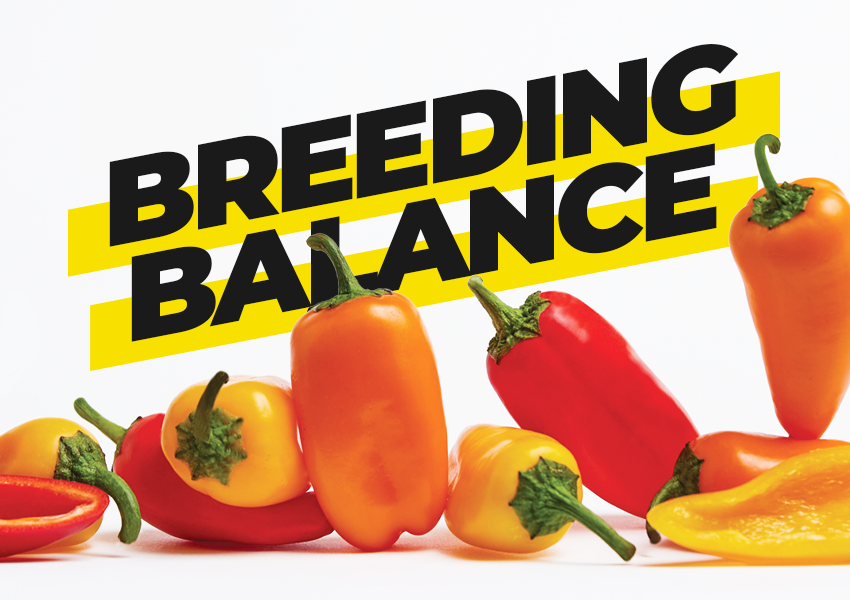
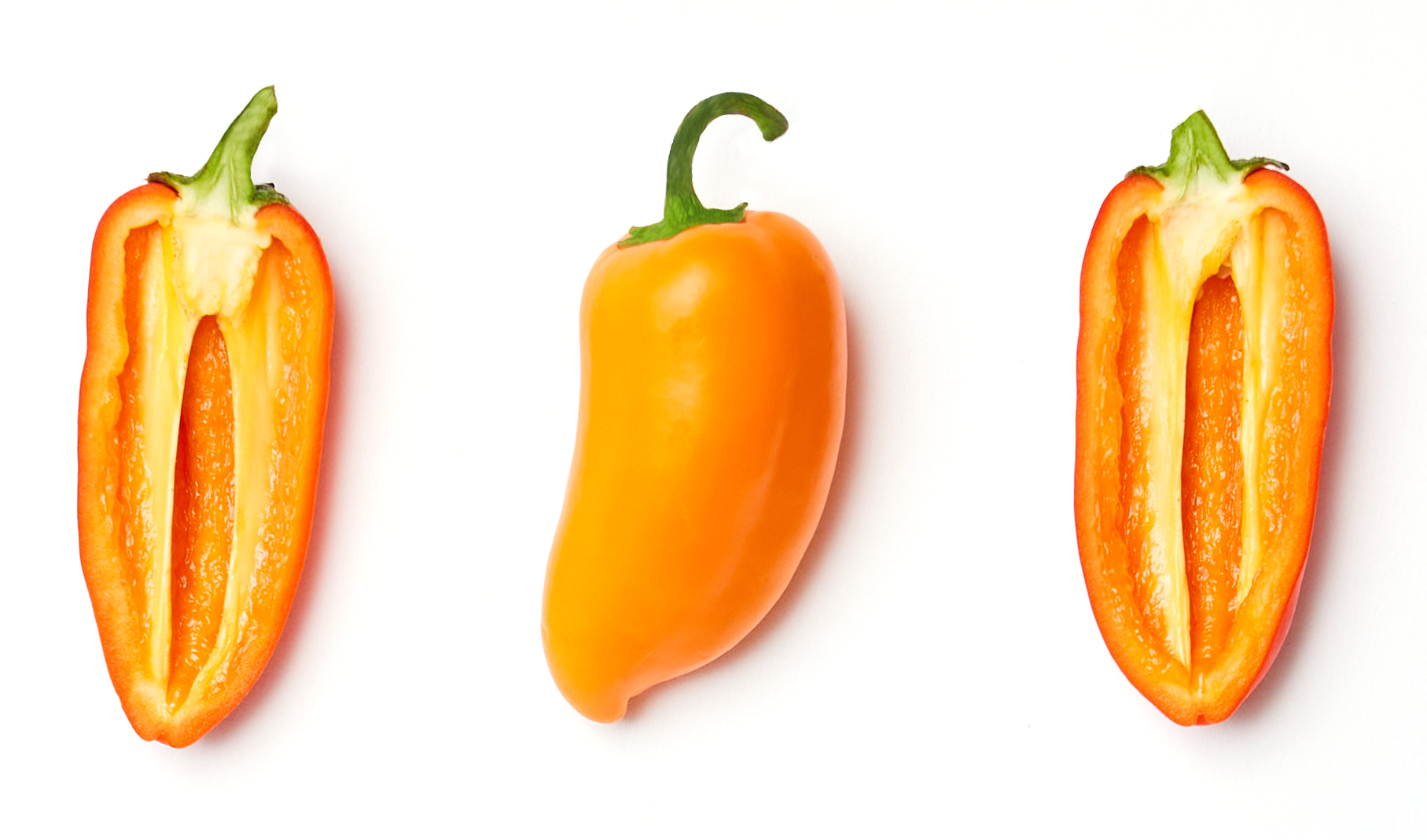
When developing a concept like Lunara Seedless Watermelons or Tribelli® Seedless Snack Peppers, there are so many traits pulling in different directions—taste, appearance, shelf-life, agronomics. And Jean-François tells me that there is rarely a single trait that wins.
“Success comes from finding the right balance between what growers need to produce a reliable crop, what retailers need to market and distribute it effectively, and what consumers are looking for in terms of eating experience,” he says. “For Tribelli Seedless, the consumer experience was a key driver. By combining the sweet taste and convenience of a snack pepper with the seedless eating experience consumers increasingly value, we created a product that delivers value across the chain. Every breeding decision is guided by that balance, ensuring that one improvement does not come at the expense of another.”
Diving deeper into that process, Justin shares that there are so many hands and voices behind bringing one seed to market.
“We have global teams that develop strategy for regional, and regional goes down to local. From the breeding perspective, breeders, breeding support teams, and many others contribute throughout the process. There’s a lot that goes into just identifying one product,” he points out.
Because so much is invested across so many steps, it’s understandable that success in any market piques interest in the other. The vision in bringing that to execution, however, is another aspect entirely.
Enza Zaden’s Tribelli Seedless already had a life in Europe before making its North American debut.
“Tribelli Seedless gained traction in Europe because it delivers clear value throughout the supply chain,” Jean-François explains. “Consumers appreciate the sweet taste, vibrant colors, and the convenience of a seedless eating experience, which fits perfectly with the growing demand for healthy snacks. Retailers see an opportunity to differentiate their assortment with a product that offers genuine added value, responds to solid consumer trends, such as convenience and healthy eating, while growers can benefit from a solid agronomical proposition.”
On the other hand, Lunara’s is a more recent debut, launched through retail channels across the United States.
“With Lunara Seedless, we set out to create something truly distinctive that would elevate the watermelon category.”
Eli Collins, Marketing Generalist for the United States and Canada, Enza Zaden
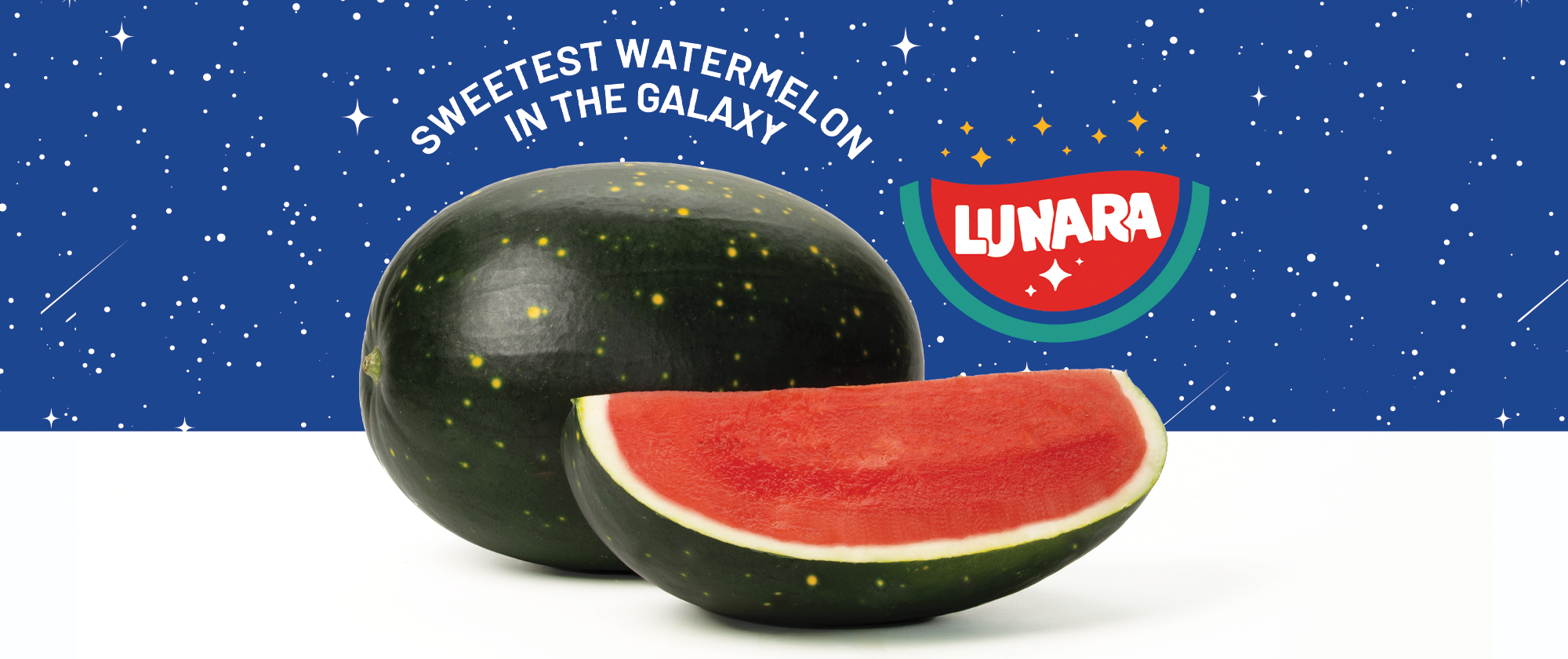
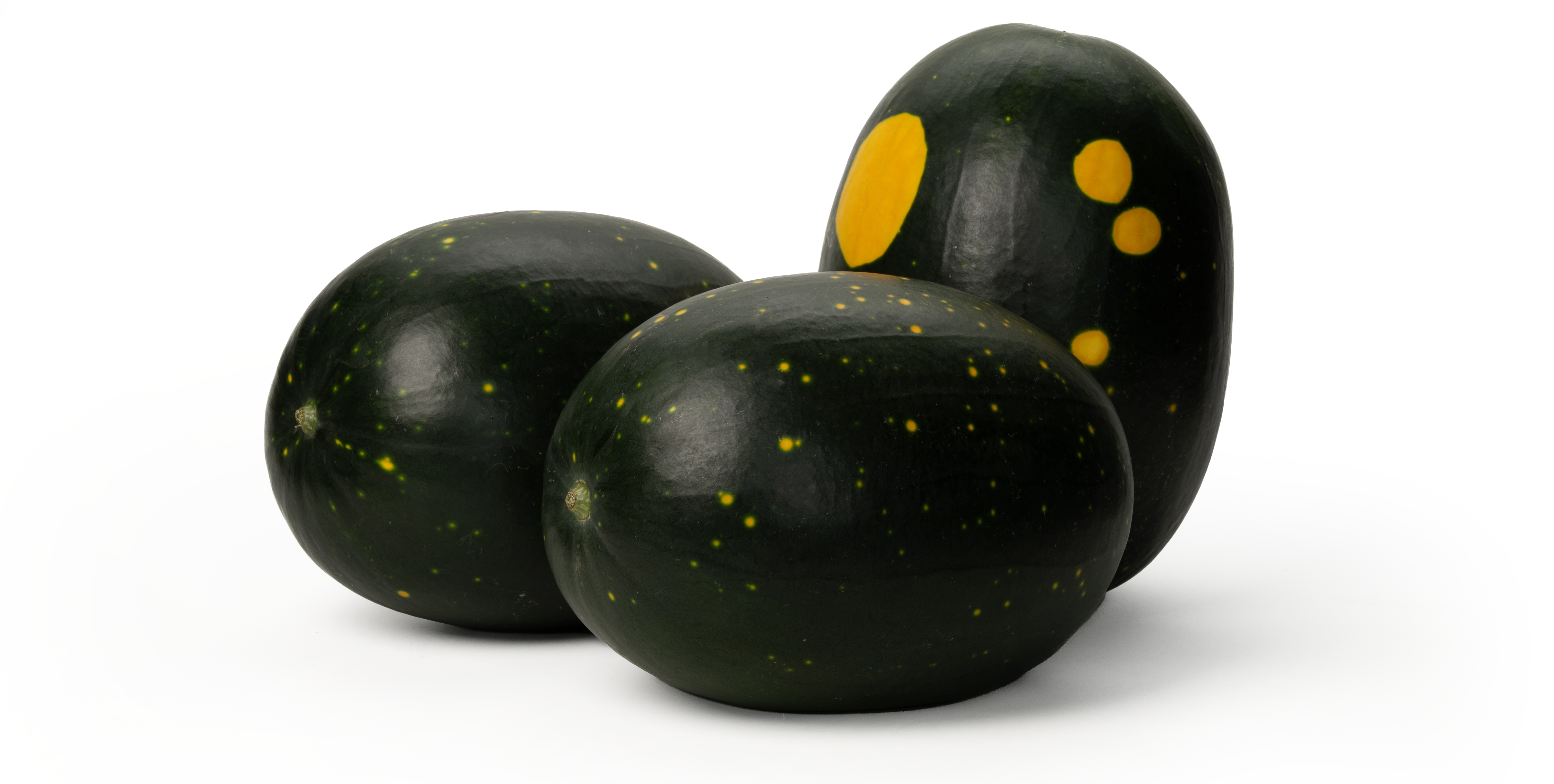
“With Lunara Seedless, we set out to create something truly distinctive that would elevate the watermelon category,” says Eli Collins, Marketing Generalist for the United States and Canada. “Its unique spotted rind creates strong visual appeal at retail and immediately captures consumers’ attention, while its consistently excellent flavor and quality deliver an experience that keeps them coming back. The result is a watermelon that stands out on the shelf and offers real differentiation for consumers.
Too often we hear about differentiation and the power of standing out, but Eli’s words strike strongly on the two sides of being identifiable. When you are distinctly memorable, you want to be sure it’s for the best reasons.
“If you take a regular-looking watermelon and put it in a store, a consumer could be buying one of twenty different varieties, and the consistency of the experience can vary—they may go in one time and like what they get, and go back for another one that isn’t as good. What we’re trying to do is have something that’s identifiable, and allow for a more consistent experience,” Justin explains.
“It’s important to find the right partners that are willing to push the envelope a little bit. From there, you can build momentum in the market.”
Eli Collins
And because something new comes with inherent risk and questions of where it might fit, Eli points out that finding the partner who is willing to go first is as much of a factor as the product itself.
“It’s important to find the right partners that are willing to push the envelope a little bit. From there, you can build momentum in the market as more people across the industry begin to recognize the opportunity,” he says. “The journey from concept to commercialization has been years in the making. From identifying promising genetics and refining the concept through breeding, testing, and consumer validation, to finding the right retail partners, each step has contributed to transforming an innovative idea into a reality for consumers.”
A connection of minds and hands, all brought down to the significance and strength of a single seed.