"Bringing together two companies does not have a one-size-fits-all solution.”
I am told this by Chuck Zeutenhorst, FirstFruits Farms, as we dive into a conversation exploring the two years of growth since the supplier acquired Applewood Orchards and Applewood Fresh Growers in December of 2023.
He explains how combining companies can be incredibly nuanced at times. I quickly understand that success does not come from a one-track mindset, and the FirstFruits-Applewood team has now found a unique rhythm.


Chuck Zeutenhorst, FirstFruits Farms: Becoming a multi-regional supplier means learning to see the world through two very different lenses. One of the biggest learning opportunities has come from really understanding the differences, which are truly the strengths, of farming in two distinct regions. Growing in Washington and Michigan differs in climate, timing, pests, and even operational rhythms. This has pushed us to rethink how we plan, forecast, and communicate across teams. We’ve learned a lot from Applewood’s experience in a more variable, four-season climate, and their team has learned from our scale and systems here in Washington. The opportunities come when we use this knowledge to better serve our customers year-round.
We’ve also learned that integrating two companies is as much about people and culture as it is about orchards and packing lines. Blending decades of traditions, leadership styles, and ways of working doesn’t happen overnight. It takes being intentional through listening and respecting what each team does well, finding shared values that can guide the future.
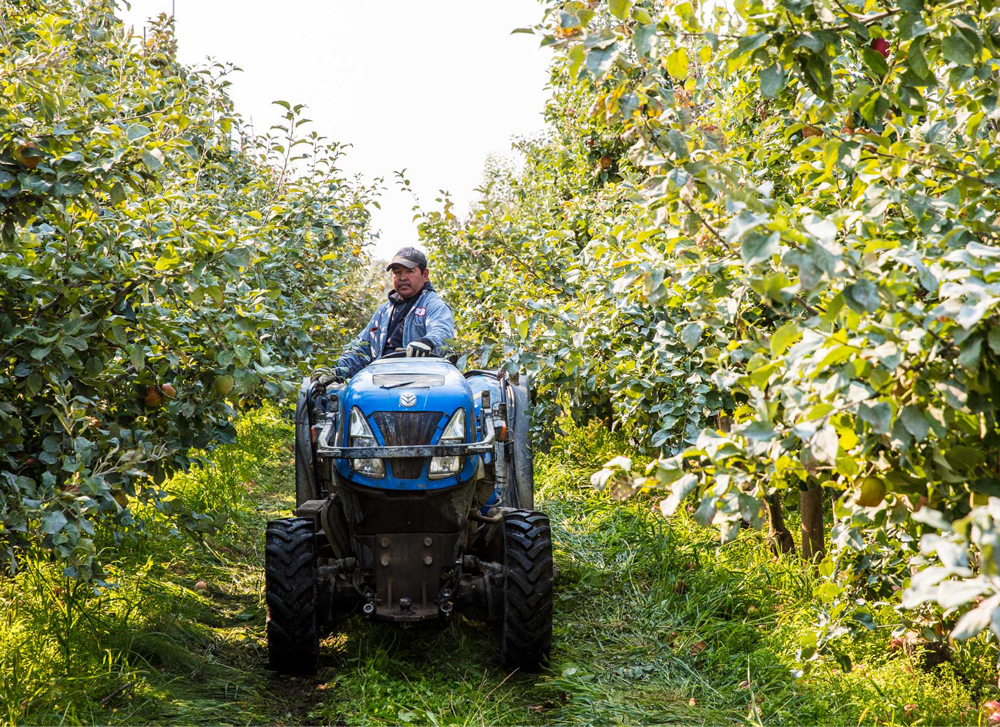
"…integrating two companies is as much about people and culture as it is about orchards and packing lines."
Chuck Zeutenhorst, FirstFruits Farms
CZ: This opened doors that simply weren’t possible before. The combined power of Washington and Michigan has allowed us to serve national accounts in a more strategic way, promoting regional strengths through one unified voice. We can ship like a local supplier while still operating at a national scale. That means smarter freight decisions, cross-dock opportunities, and tailored delivery approaches that lower costs, reduce miles, and ultimately create a better experience for retailers and their customers.
Being multi-regional has also strengthened our varietal strategy. Instead of taking a one-size-fits-all approach, we can match the right varieties to the right markets based on regional preferences, demographics, and retailer demand. It’s helped us expand our offerings through managed variety programs, supported by stronger marketing and a deeper understanding of what consumers in each region want.
Different bloom and harvest windows also help us extend our availability and keep fruit on the shelf longer. When one region faces weather or crop challenges, the other can fill demand without disruption. And there’s still so much room to grow and innovate. We learn from every opportunity and every situation that arises as the seasons go on, and it only makes us more confident in the strength of our multi-regional model and the value it brings to our customers.
CZ: We did our homework, but it would’ve been naïve to expect zero surprises, especially when you’re two companies nearly 2,000 miles apart and rooted in different growing worlds. One of the biggest surprises has been how different the growing and operational cultures are between the two regions. In Michigan, the small independent grower still plays a huge role in the industry, and that perspective influences everything from how farms are managed to how fruit moves through the system. In Washington, the cost of growing has pushed the industry toward larger-scale operations out of necessity. Seeing those differences up close has been eye-opening and it’s pushed us to appreciate and learn from two distinct ways of thinking about the same crop.
We have also been noticing where regional loyalties show up in the market. There are customers and consumers who have deep pride in Michigan apples, and others who look specifically for Washington fruit. Being a multi-regional supplier has allowed us to tap into those loyalties instead of competing against them.
The timing of the seasons, the strengths in different varieties, and even the way each team approaches storage or quality all ended up fitting together better than we could have predicted. It’s allowed us to offer more consistency and flexibility for our customers than we expected.
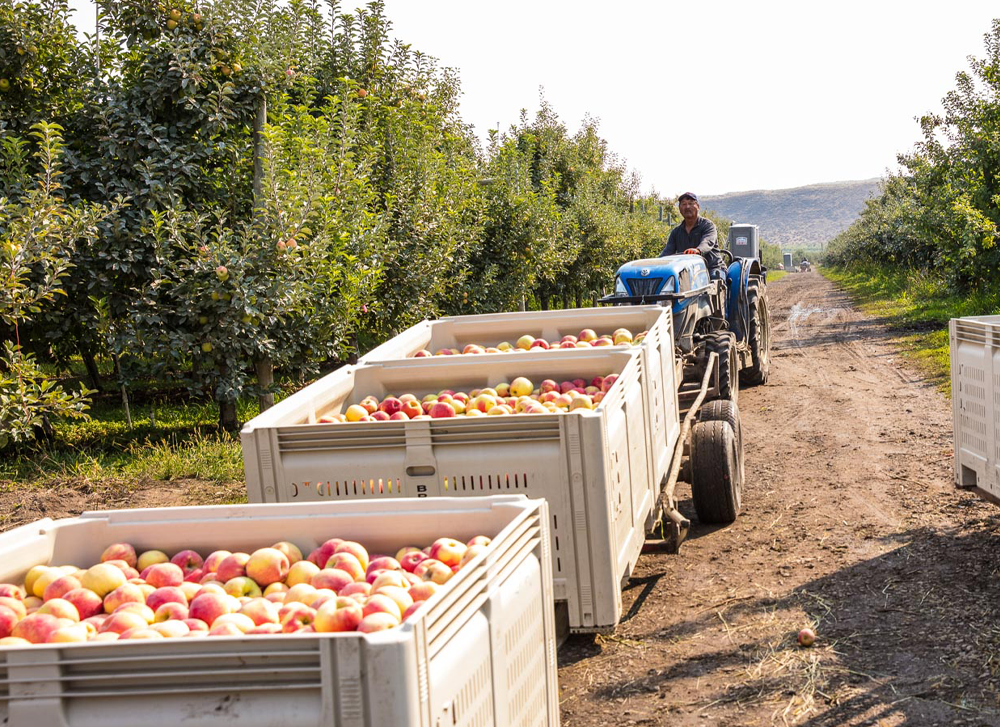
"We’re incredibly proud of the teams in both Washington and Michigan who make this multi-regional model not just possible, but successful."
CZ: FirstFruits Farms and Applewood Fresh are united under one umbrella: FirstFruits. You’ll still see FirstFruits Farms. You’ll still see Applewood Fresh. But increasingly, you’ll also see FirstFruits used as the collective identity that ties everything together. FirstFruits is the enterprise brand, and FirstFruits Farms and Applewood Fresh are the regional engines that power it. Together, they represent one coordinated team, strategy, and future, expressed in ways that honor the identity of each region.
Above all, it’s the people behind these names who make the whole thing work. We’re incredibly proud of the teams in both Washington and Michigan who make this multi-regional model not just possible, but successful. It’s a group of hardworking, deeply dedicated people who show up every day with the same commitment to quality and service.
 When FirstFruits Farms acquired Applewood Fresh, both took a chance in seeing how two growing regions across the country from each other could come together to create a more unified approach to supply. Now, the rest of the industry gets to enjoy the perfect rhythm of this combined treefruit strength.