Purple, red, orange, Murasaki...Beneath a surface of educating consumers about the difference between yams and sweet potatoes lies an undiscovered world of varieties. Each one is an opportunity to break open the possibilities of the category by maximizing each one’s purpose.
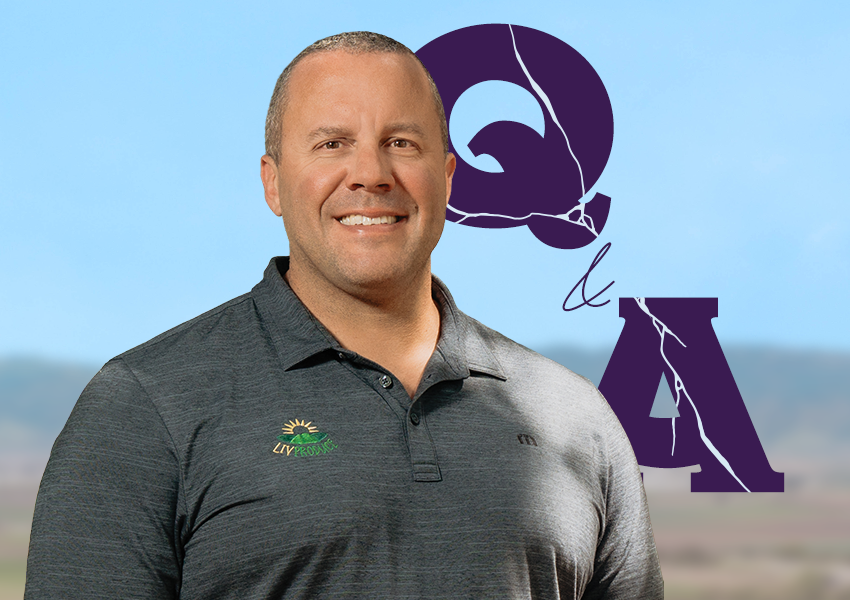
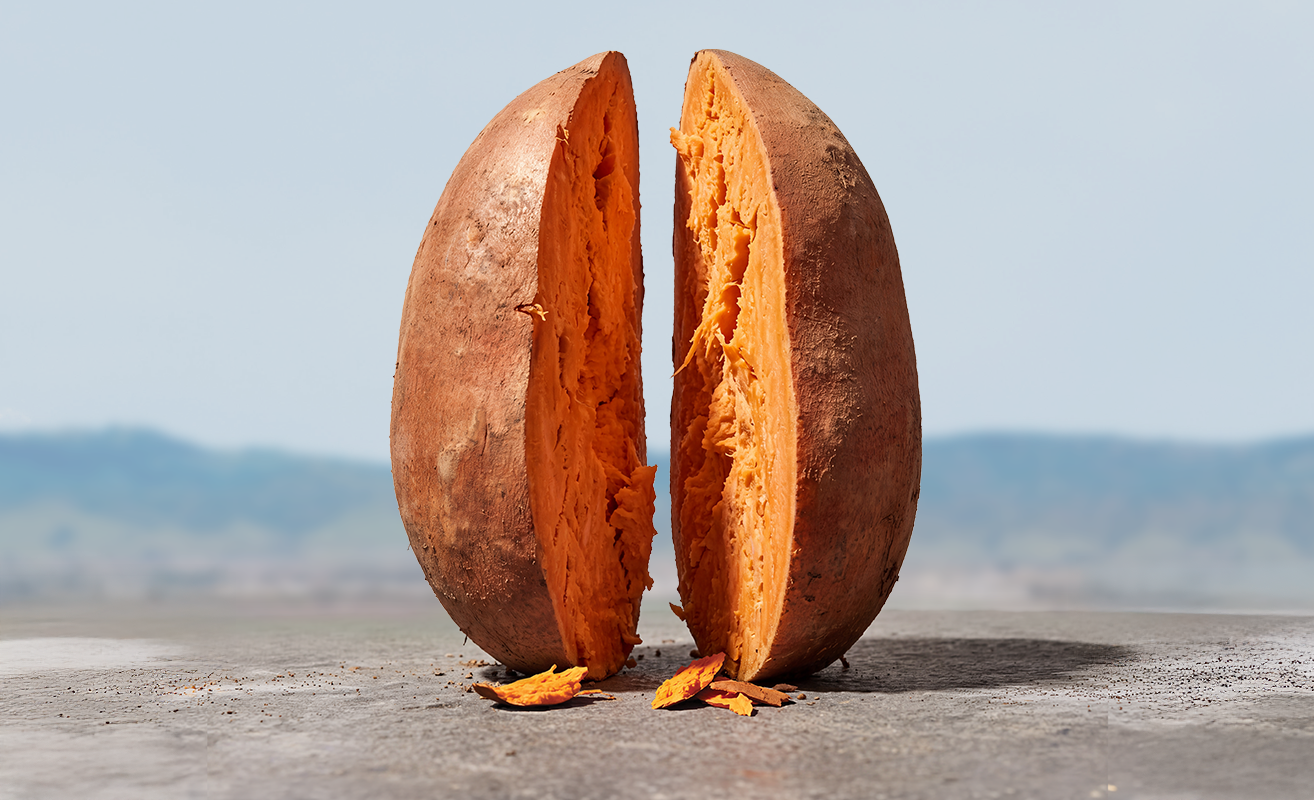
Taking a hammer to the monolithic concept of sweet potatoes, Anthony Innocenti is ready to see the tuber shining through consistent availability, differentiated offerings, and a trusting, transparent program. Take up your seat, and your fork, as we dive in...
Anthony Innocenti, Managing Partner, LIV Produce: It has really been the realization of something we grew over time. This program didn’t happen overnight; it’s been years of work, and as we built a culture of growing some of the highest-quality sweet potatoes on the West Coast, buyers and retailers began to notice. Now we are excited for what we believe will be our best year ever; a long-term yield of the last few years of concentrated investment and relationship-building.
AI: There is so much opportunity for variety recognition in the category. Changing the monolithic perception of sweet potatoes can be the next frontier for sweet potatoes through recognition of varieties and applications for specific occasions or dishes.
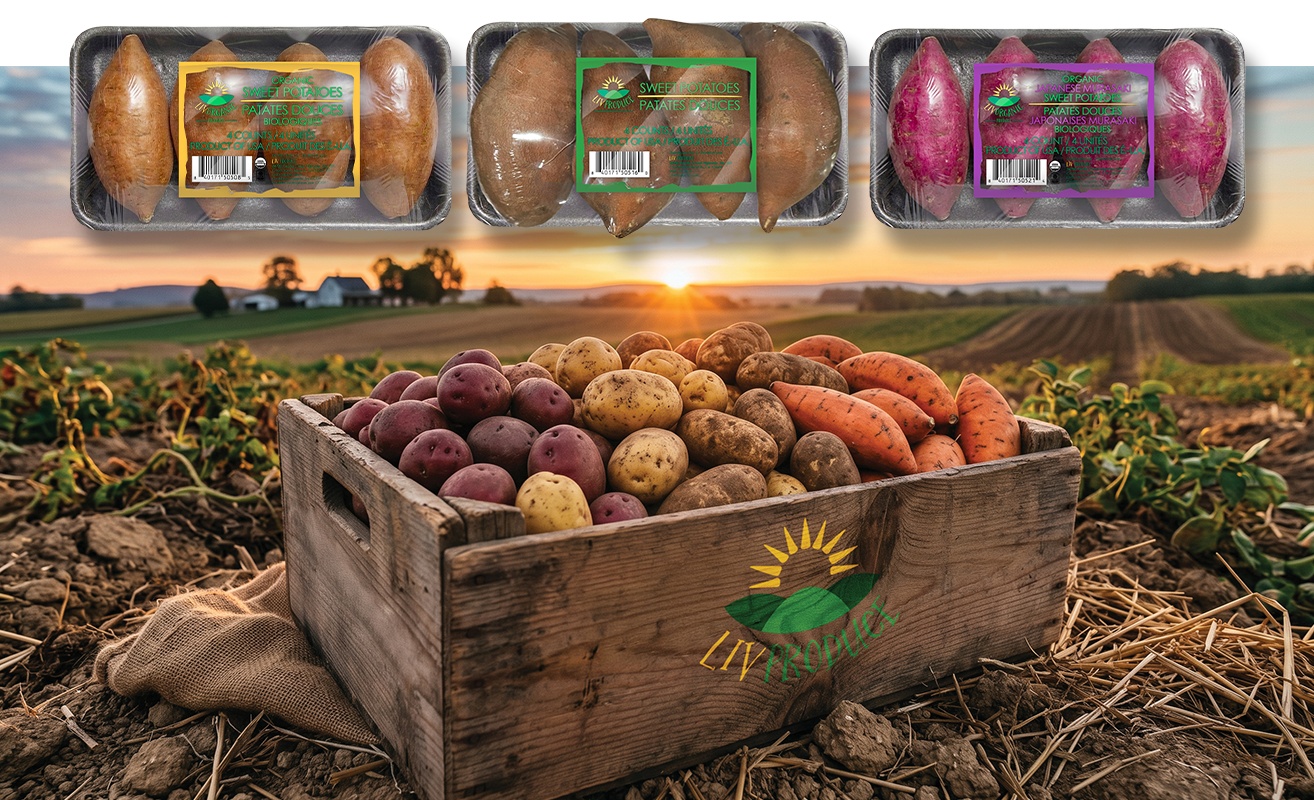
AI: Along with the potential for more variety awareness, the biggest push for growth is through consistency of quality and volume with no gaps. As we all know, the holidays are coming up and that is when the category really shines, but it’s been pushing far beyond that part of the calendar. Now, we are primed for really successful holiday SKUs to tee up a year-round, 100 percent California-grown sweet potato crop to further support and drive more demand. We offer a full array of value-added SKUs year-round as well, including trays and bags.
"Changing the monolithic perception of sweet potatoes can be the next frontier for sweet potatoes through recognition of varieties and applications for specific occasions or dishes."
-Anthony Innocenti, Managing Partner, LIV Produce
AI: We are very fortunate to have a good cooperative of growers we support and have helped grow along with us. Through our steady increase of grower partners, we have managed to maintain a really strong network and we take pride in both sides being open and transparent with each other. I often point to this as one of our strongest aspects because it helps us mitigate as many surprises as possible.
AI: Offering a 100 percent California-grown crop is a unique strength that helps close the gaps that have challenged sweet potatoes in the past. We further that success with our ability
to navigate and execute national distribution, helping us to deliver anywhere in the country. Finally, despite that amount of reach, we remain a nimble team that is always reachable and listening to customers about what they might be looking for from the grower. From there, we ensure we meet, then exceed their expectations.
As we enter the season that makes sweet potatoes famous, I can’t help but linger on the latter half of Anthony’s statement: that this window only tees up even more opportunities for the category to continue shining.
The infrastructure is already there. Retailers know how to merchandise sweet potatoes at scale, consumers already reach for them without hesitation, and the supply chain is ready to prove it can meet a surge in demand without missing a beat. What’s left is imagination—the work of showing shoppers that a vegetable they associate with one meal, one holiday, one side dish, belongs on their plate in January and July as easily as it does in November and December. Rather than a heavy lift, it is a shift in framing, backed by a category that has already earned its place at the table.
One that is ready to let the momentum of the holidays carry into the quiet months that follow, until “in season” stops meaning a handful of weeks and starts meaning any time at all.
Here is to making the holiday season not the peak of sweet potato demand, but the catalyst.