For decades, the organic produce section in retail outlets has been defined by a narrow color palette, primarily deep purples and muted greens. While this visual shorthand successfully alerted shoppers to an item's organic status, it also created a paradox: the organic aisle, a place meant to celebrate life and growth, often felt visually stagnant.
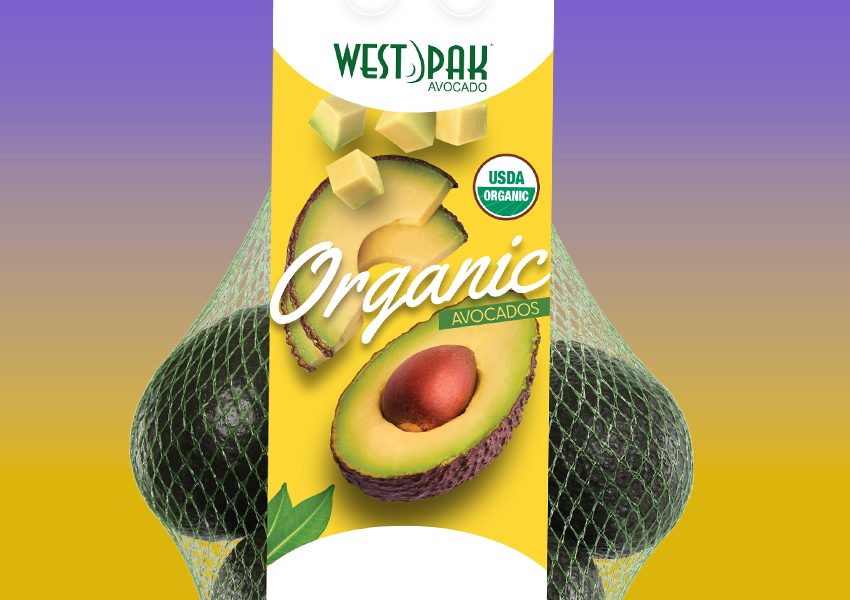
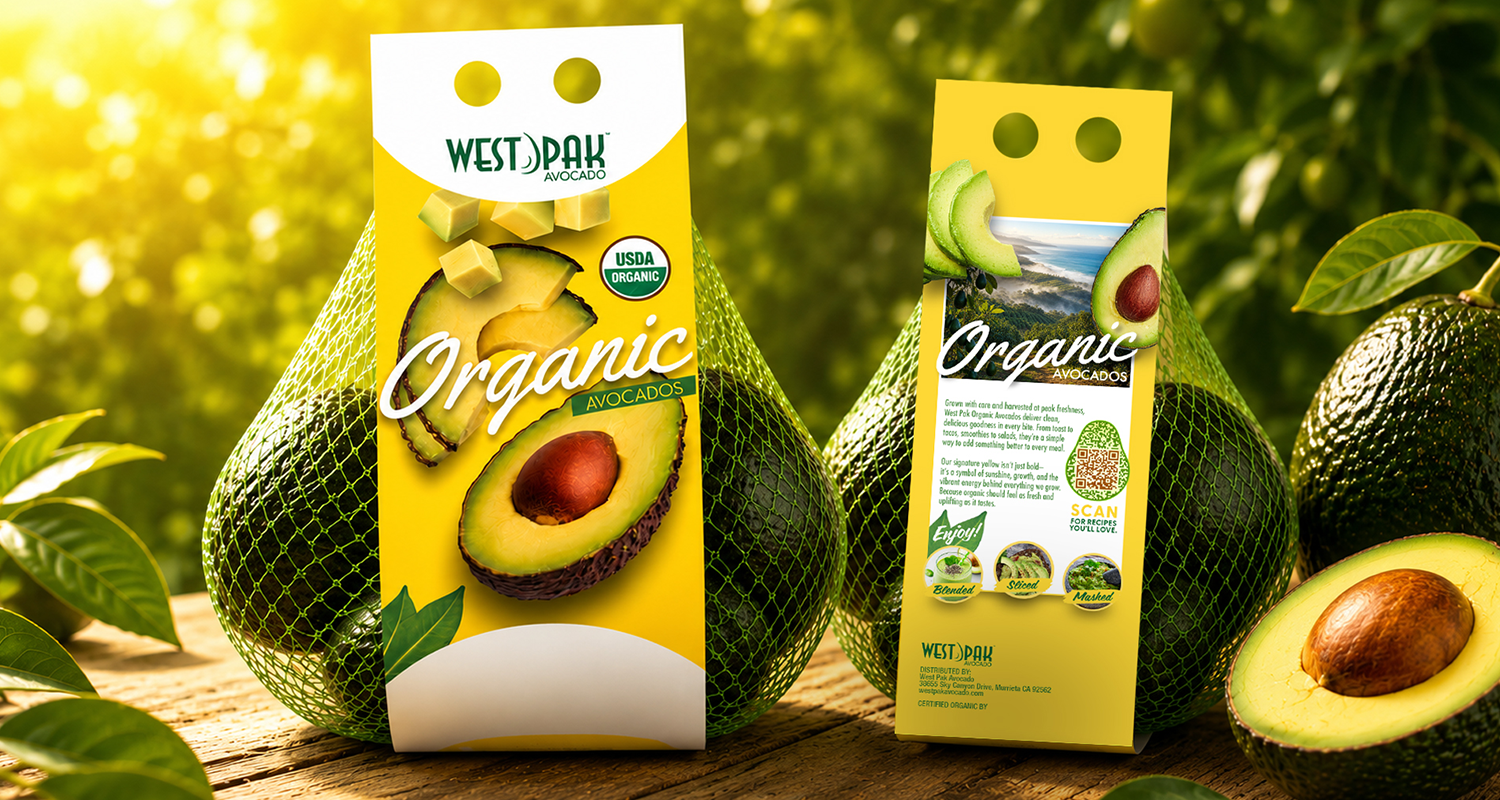
West Pak Avocado is changing that narrative. With its new The Bright Side of Organic campaign, the company is stripping away the industry’s reliance on purple, replacing it with a vibrant, optimistic gold-yellow. This organic branding refresh is much more than a cosmetic change; it is a calculated effort to align packaging with the evolving psychology of the modern, health-conscious consumer.
The modern shopper interacts with the produce aisle differently than they did ten years ago. They are no longer just looking for "organic" as a label, but as a lifestyle alignment. Consumers demand freshness, transparency, and products that feel as vibrant as the healthy habits they are trying to maintain.
 "We needed a design that truly pops while staying authentic to our mission," said West Pak Avocado Senior Marketing Manager George Henderson, who co-spearheaded the initiative and designed the visuals for the new direction. "This yellow represents sunshine and growth—a modern, approachable health cue that speaks directly to the sophisticated shopper who demands more than the status quo. We wanted to move away from the 'sameness' that has plagued the category for years."
By shifting the brand’s visual identity for organics to gold-yellow, West Pak is effectively creating a "beacon" on the shelf. In an aisle crowded with competing claims and confusing labels, high-visibility packaging serves as a shortcut for the consumer's brain, instantly associating the product with energy and sun-drenched quality.
While design is the most visible element of West Pak’s sunny shift, the strategy relies heavily on operational utility. Creating a new brand identity is only half the battle; the other half is ensuring that the packaging functions effectively in a high-volume retail environment.
 "Retailers are under immense pressure to drive velocity in the organic category," noted West Pak Avocado Vice President of Sales and Business Development Joe Nava. "It is not enough to have a beautiful bag. You need to provide retailers with tools that work—like our new branded bag, Organic Avocados."
Nava highlights that the core of the strategy is giving partners a competitive edge. When a shopper can instantly identify an organic avocado through superior packaging, the likelihood of a conversion increases. "Our goal is to create instant shelf visibility that clearly signals the quality of our fruit to the consumer," Nava added. "This recognition supports our retail partners by helping them move inventory more effectively through better shelf presence."
The broader implications of West Pak’s pivot are significant. As the organic category matures, the winners will be the brands that can successfully marry agricultural integrity with modern branding principles. West Pak’s move to The Bright Side of Organic suggests that the future of produce marketing will be less about shouting "organic" through generic color codes and more about evoking the vitality of the product itself.
Henderson emphasizes that the process of arriving at this new direction was rooted in understanding the consumer’s desire for transparency. "The organic consumer is discerning. They are looking for something that feels authentic. By aligning our packaging with the natural energy behind the growing process, we are framing our organic avocados as the modern, vibrant choice."
The move toward modernized aesthetics is also an acknowledgment of the changing demographics within the produce category. Younger generations, particularly Millennials and Gen Z, prioritize brands that reflect their personal values and aesthetic sensibilities. These consumers are drawn to packaging that feels 'social-media ready' and authentic, rather than traditional or institutional. By evolving its visual language now, West Pak is future-proofing its category positioning. They are ensuring that as the next wave of shoppers enters the market, the brand remains relevant, visible, and—most importantly—aligned with the dynamic, fast-paced nature of modern nutrition.
As the new direction rolls out this year, the industry will be watching to see if this shift in visual strategy translates into improved category performance. If West Pak’s bet on The Bright Side of Organic pays off, it may well force the rest of the industry to reconsider the visual conventions they have held for years, proving that in the produce aisle, even the most established habits are ripe for disruption.