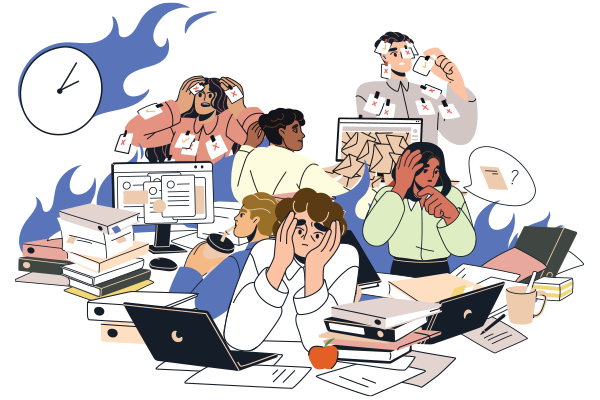
In the fresh produce and food industry, urgency is real. Chronic overwhelm doesn’t have to be.
When “swamped” becomes a standing status update, it raises a bigger question: What is driving the overload, and what is it costing?
As President of Joe Produce and through my work in executive recruiting, I’ve learned that a 70-hour week isn’t a badge of honor; it’s a critical data point. From my perspective, being perpetually “underwater” often signals a misalignment between the complexity of the role and the systems, support, and decision clarity surrounding it.
If you’re always swamped, it’s time for a clear-eyed look: Is the company asking for the impossible, or is the role designed and resourced in a way that makes sustainable performance unlikely? Before we chalk it up to “that’s just this industry,” we have to look at the fit.
The Uncomfortable Truth: 70 Hours Is a Symptom
We all know that in our industry, some seasons require a sprint. We deal in perishable inventory, tight windows, and weather curveballs. But there is a massive difference between a temporary sprint and a life built around a permanent crisis.
When I hear an executive say, “I’m swamped,” I don’t think they’re weak. I think: What is the root cause?
Is the company under-resourced?
Is the role a “catch-all” for everything that falls through the cracks?
Is the leader carrying work that should be delegated, systematized, or automated?
Is busyness being rewarded more than outcomes?
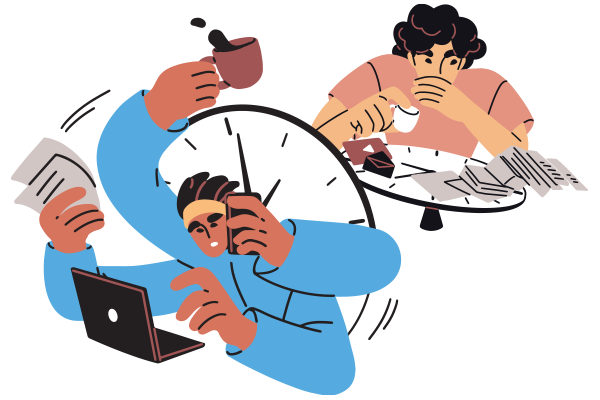
The Three Sources of Chronic Overload
While fire drills are part of the business, permanent 70-hour weeks usually stem from one of three structural failures:
1. Capacity Debt (The “Endless” Season) What happens when a “peak” lasts 52 weeks a year? This indicates capacity debt—too few people and a reliance on “heroics.” If your organization requires constant heroics to function, it isn’t high-performance; it’s fragile.
2. The Hero Bottleneck (The Catch-All Role) When a leader owns results but doesn’t control the inputs, they become the system. This creates a dangerous point of failure where the company depends on your endurance rather than good design.
3. The Adrenaline Trap (High-Effort, Low-Leverage Style) We have to own this part: Some leaders stay in the weeds because it feels safer. Responding instantly to every text feels like leadership, but it often just trains your team not to think for themselves.
A Quick Diagnostic: Is It You, the Role, or the System?
Ask yourself:
Is this a 4-week sprint, or has it been this way for six months?
What percentage of my week is true executive work—strategy, talent, and key customers—vs work my team should own?
If I disappeared for two weeks, what exactly would break and why? (Be brutally honest.)
Ask about the company:
Is the organization staffed for the business you have now or the business you had three years ago?
Do we treat preventable emergencies—mis-picks, recurring order issues—as “normal”?
Is “always available” considered the primary metric for leadership?
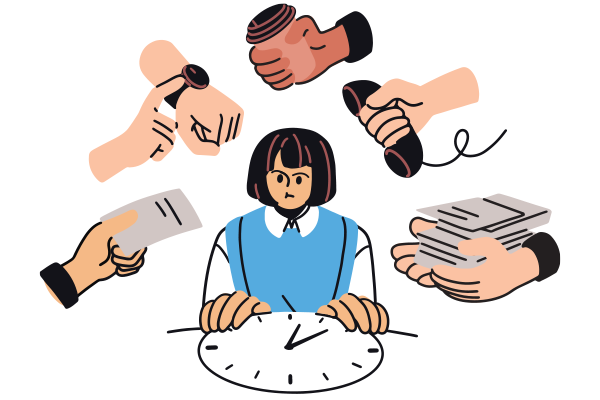
How to Reclaim the Clock
If you are the one clocking 70 hours, try these four shifts:
Run a “Time Truth” Audit: Track your time for two weeks. What would you stop doing if you were forced to cut 20 hours? That list is a gold mine.
Separate “Perishable” from “Broken”: A weather delay is a real emergency. A recurring short-ship or late arrival is a process problem. Stop treating predictable failures with adrenaline; treat them with systems.
Redesign Your Availability: Set clear rules for what requires an immediate escalation and what can wait for a daily briefing.
Delegate Outcomes, Not Tasks: Stop handing off pieces; hand off ownership. It is slower at first, but it’s the only sustainable exit strategy.

The Bottom Line: Overload Is a Business Risk
For those who lead companies, the 70-hour executive is a single point of failure. Chronic overload degrades decision quality, tanks retention, and threatens food safety culture. Fatigue is a liability.
In fresh produce, hard work will always be part of the job. But chronic overwhelm shouldn’t be the price of leadership. The best executives aren’t the ones who are always swamped—they are the ones who can sprint when it matters and still build organizations that don’t require heroics to survive.