There’s a beguiling power to word association. When I hear the word “apple”, I see not only the fruit, but the shining icon that glows on the back of my laptop as I type.
Obviously, the stronger the word association, the more power that word holds.
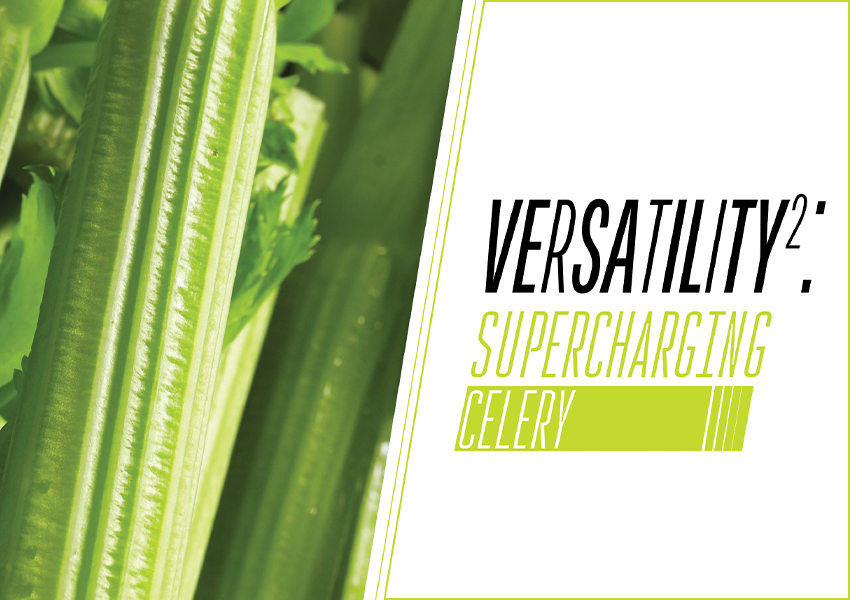
While it would be fair to say Duda Farm Fresh Foods and its Dandy® lineup are strongly associated with concepts like fresh innovation, it is the company’s supreme work in the celery category that immediately comes to the forefront of my mind when the company’s name is evoked.
Why, you may ask? Because Duda has cemented the green stalks as permanent fixtures in produce departments.
Over the past decade, the company’s celery program has undergone significant evolution. By leveraging the value-added segment and the versatility of celery as an ingredient, the supplier has cultivated customer loyalty around its Dandy celery brand.
There’s more to this story than meets the eye, as Nichole Towell, Senior Director of Marketing and Packaging Procurement, is quick to tell me.
It’s a strategic play years in the making.
 “Dandy Duda Generations® proprietary celery varieties are bred for sweeter flavor and fewer strings. Our flavor profile is key, as consumers can taste the difference,” Nichole says. “We also pack ready-to-eat celery sticks that are convenient and are ready to consume right when you pick them up off the store shelf. Of note, Duda Farm Fresh Foods stands out with these washed and ready-to-eat products, as some of our competitors are packing celery sticks that have not been washed before they can be eaten, which can be seen as a hassle for the consumer.”
Developing a vast array of product options to meet the demands of modern consumers has kept Duda competitive and its brand top of mind.
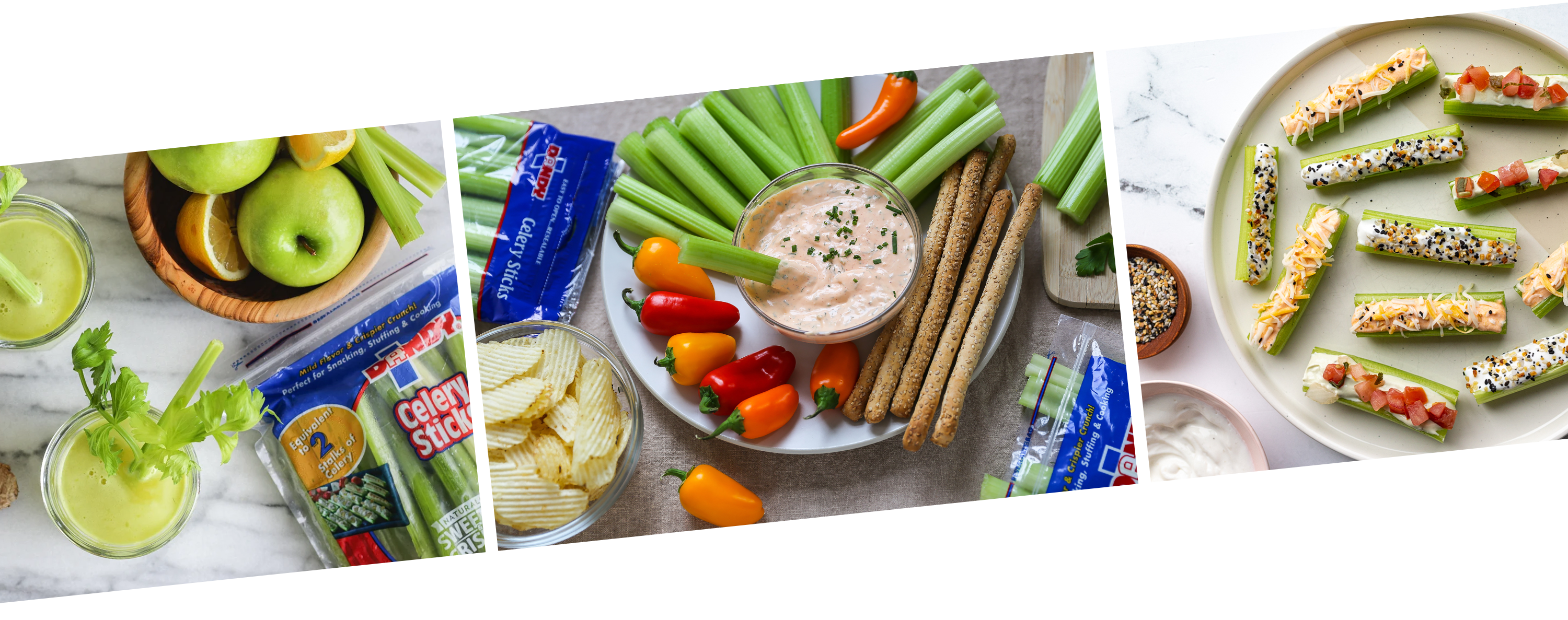
Over the years, the company has introduced its Snack Packs, Celery Sticks, Celery Stick Bags, and the new celery dippers™ to the market.
“Duda Farm Fresh Foods stands out with these washed and ready-to-eat products, as some of our competitors are packing celery sticks that have not been washed before they can be eaten, which can be seen as a hassle for the consumer.”
Nichole Towell, Senior Director of Marketing and Packaging Procurement, Duda Farm Fresh Foods
To achieve this feat, Duda has invested heavily in agricultural best practices, including soil health, water conservation, and cover crops.
Utilizing compost on celery fields enhances soil health, which in turn boosts moisture retention, weed suppression, and erosion control.
Water conservation has been even more successful for the supplier.
“For the last several years, we have continued to access local California Irrigation Management Information System (CIMIS) data and other data-driven dashboards, so that the applied amount of water daily to the crop is commensurate with daily ETo (evapotranspiration). This has resulted in advancements in irrigation practices, including the complete elimination of furrow water, a substantial reduction in the use of sprinkler pipes, and continued research into enzymatically induced plastic for drip tape,” Nichole shares. “This has led to a 50 percent decrease in applied water to a single celery crop today, meaning half the amount of water is being used during production and harvest.”
With approximately 500 acres of its production fields planted in cover crops in 2025 alone, Duda is working to increase its organic crop, protect its soil, and bring chemical-free celery to consumers.
“Essentially, any time we have fewer inputs into a crop, it’s more sustainable overall,” Nichole adds.
In the last five years alone, Duda Farm Fresh Foods has done a tremendous job at cementing celery as a popular item.
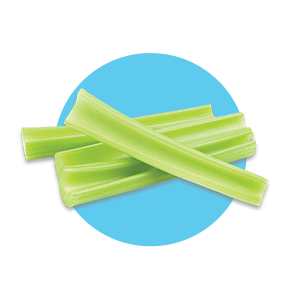 “The celery consumer has always skewed toward the older generations. However, the juicing trend that took off a few years ago brought the younger shopper in to experience celery in a new way,” Nichole notes. “That craze brought celery to the forefront of their shopping carts, and we are pleased to say that we’ve noticed for some that it’s stayed there.”
Traditionally, celery buyers tend to live in the Eastern United States and along the Eastern Seaboard. They might be middle-aged with children aged 6 to 17 at home or empty nesters, but they typically earn $70,000 or more and live in more affluent urban areas.
“The No. 1 barrier to purchasing more celery is that it goes bad before consumers can eat it all,” Nichole says. “Another top barrier: Consumers don’t know how to use it.”
The top factors that drive incremental purchases are as follows: if the product lasts longer, recipes and/or usage ideas, and smaller package sizes.
If you haven’t been paying attention, Duda offers all three across its product portfolio.
However, to maintain celery’s presence in consumer consciousness, it employs several strategies.
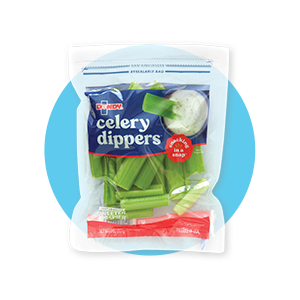 “Old-fashioned cross-merchandising strategies still work really well with celery,” Nichole shares as we discuss best practices for retailers looking to increase traffic in their produce departments. “Displaying things like hummus, peanut butter, or ranch dip by celery displays inspires usage ideas for busy shoppers hurrying through their list and needing easy ideas on the fly.”
Recalling the importance of fresh-cut options, Duda employs 360-degree marketing efforts to ensure its portfolio is engaging and properly communicates the versatility of celery.
“We provide content and recipes to inspire consumers to eat celery in a variety of ways outside of the traditional snacking, which allows us to penetrate the market even further,” Nichole emphasizes.
Duda also utilizes influencer partners to generate recipes and engage with shoppers on a different level. Through the influencers’ loyal list of followers, Duda is able to reach consumers that may not be as familiar with the brand, casting a wider net of exposure for the company. Furthermore, Duda’s use of influencers enables the creation of unique and home-cook-friendly recipes that are shared across both influencer platforms and the brands themselves.
 With so many strategies deployed, it’s easy to see how Duda Farm Fresh Foods brought celery back from being a diet-fad food to a nutrient-rich vegetable that stands on its own.
Nichole left me with these parting words.
“Keep an eye on Duda Farm Fresh Foods and Dandy in the coming months,” she says with a hint of mystery I can’t help but want to follow up on. “We have some exciting news we are waiting to share!”
Knowing what Duda is capable of creating, we eagerly await what’s next on the horizon for the company.