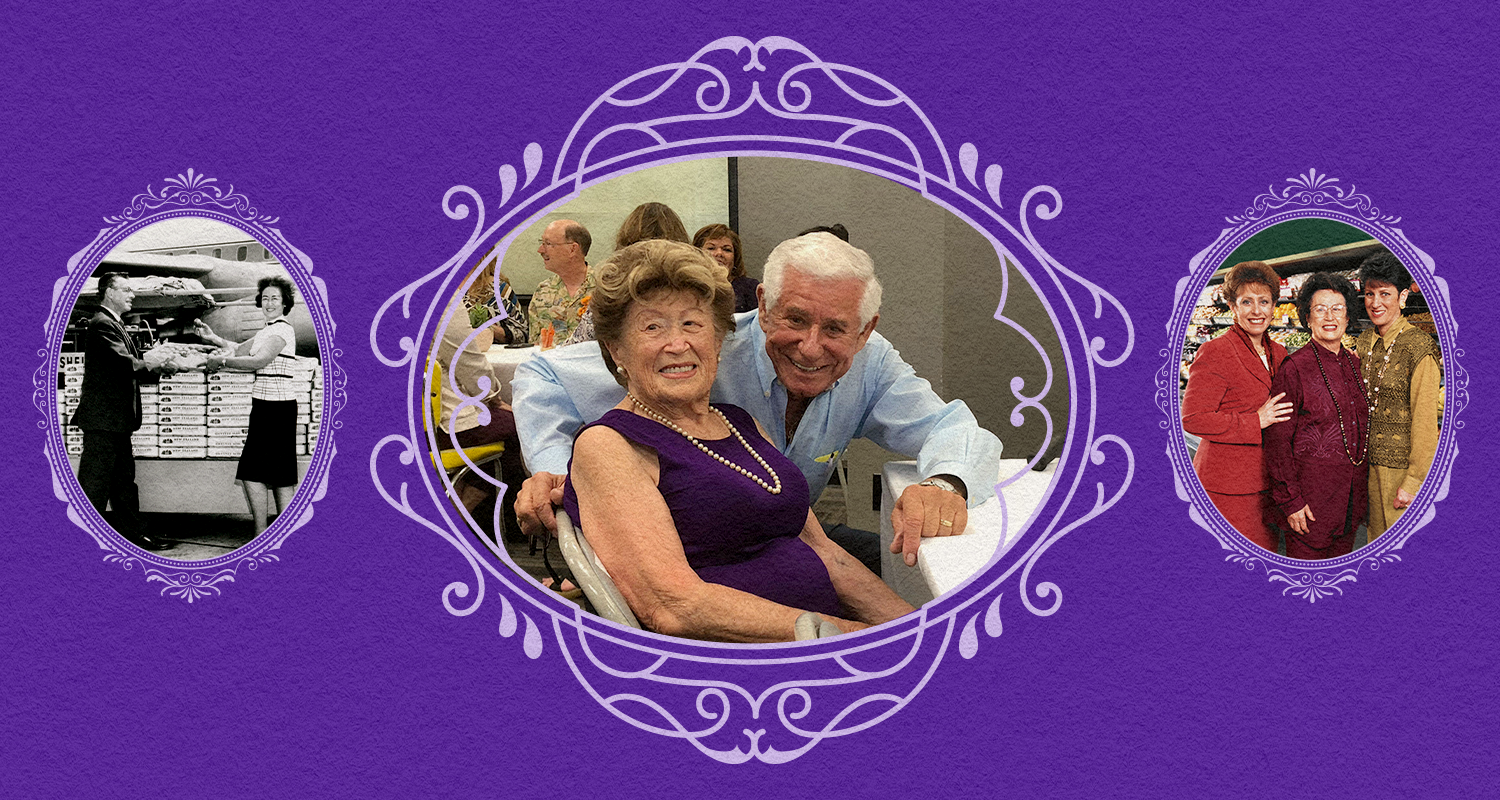
The beauty of knowing where you come from is that it is so much easier to see where you are going. It is a way of honoring the past while keeping an eye on the horizon.
As I have written about recently, the produce department you see today did not happen by accident—it was built over decades by people who refused to accept the status quo, who dreamt and then executed a future that many thought only "could be" or had not been dreamt up at all.
I served as Vice President of Produce and Floral at the Vons Supermarket chain throughout the 1980s and 1990s, overseeing operations across 328 stores in Southern California. In 1997, I transitioned into full-time consulting, working with growers, shippers, brokers, commodity boards, and retailers across the industry. Along the way, I also had the privilege of serving on numerous boards and committees, including as Chairperson of the Produce Marketing Association (now the International Fresh Produce Association) during a period of significant industry growth.
Over the course of my career from 1960 to 2019, I witnessed the produce department evolve from a modest 60–70 SKUs to more than 700. That kind of expansion was not inevitable—it was driven by individuals who saw beyond the present and committed to building something new—products, categories, and ideas that had not yet existed.
This series is rooted in a simple tension: Much of what defines today's produce department is often taken for granted, as if it has always been this way. It has not. What exists today was shaped by people who pushed forward, took risks, and changed the business' trajectory.
With these articles, my goal is to bring those stories back into focus—not just to remember them, but to make clear what it takes to move this industry forward. Because the lesson is not just about the past—it is for the next generation.
Frieda's Branded Produce: Frieda Rapoport Caplan, Karen Caplan, and Jackie Caplan Wiggins
And she was always selling—always telling me about the next great kiwi. She was usually right.
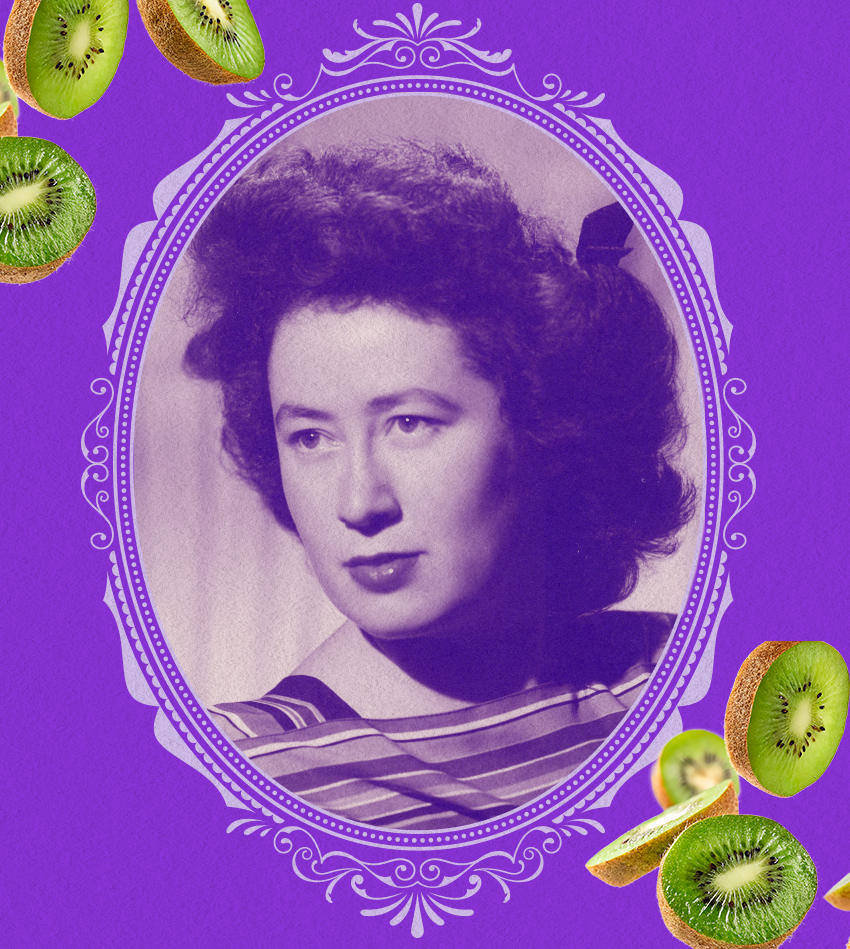
The story starts with Frieda in 1956, when she was hired as a bookkeeper for Giumarra Brothers on the old Los Angeles Wholesale Produce Market. When some of the Giumarra sellers went on vacation, they asked Frieda to cover the sales floor. She spotted a pallet of mushrooms that none of the other sellers were paying attention to—and sold them out. Fresh mushrooms in the late 1950s and early 1960s were a specialty item; retail stocked only canned mushrooms from Taiwan. Even avocados were considered exotic at the time—hard as that is to believe today. Frieda liked the selling work, and she liked the hours—2:00 am to noon—because the schedule let her care for her firstborn daughter, Karen.
In 1962, Frieda opened her shop on the LA Wholesale Produce Market, right next to Giumarra Brothers, offering mushrooms, avocados, and other exotic produce items of the era. She wanted to be distinctive—the walls of her stand were painted purple, she wore nothing but purple, and everything she did in sales and marketing was purple too. Frieda was the first woman to own and operate a wholesale produce company in the United States. One of the first items she introduced was Chinese gooseberries, which she popularized under the name kiwifruit—earning her the title "Kiwi Queen."
She grew her business by dealing exclusively in exotic or little-known produce items. By 1979, she was stocking and selling 170 items, and all of the salespeople who worked for her were women.
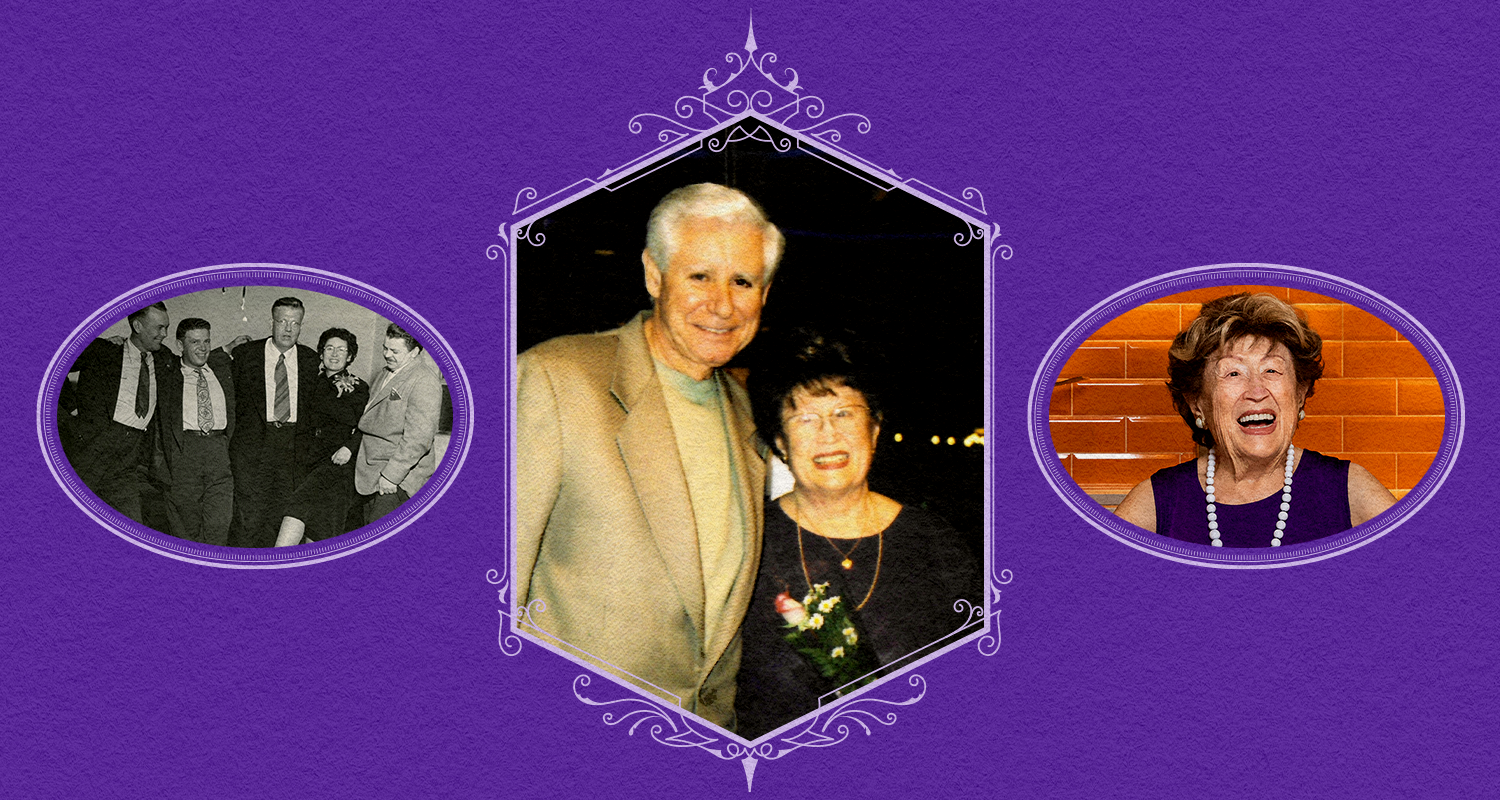
In 1975, I was given responsibility as a produce buyer and started buying the vegetables category, including specialty items. This is when I got to know Frieda—and she proved to be a remarkable mentor. When I was looking for items she didn't stock, she would steer me toward the best and most reliable sellers. Later, when I had responsibility for the entire division, we would call each other weekly. She guided me on everything—from how to evaluate a vendor to how to make sure I was spending enough time with my two daughters. She encouraged me to get more involved in industry issues and associations. And she was always selling—always telling me about the next great kiwi. She was usually right.
I have said to many people in this industry: "I had a special relationship with Frieda." Every time, the response is the same: "So did I." That is her truest legacy.
She changed how Los Angeles ate by introducing what today are everyday items—kiwifruit, jicama, sugar snap peas, Blood oranges, mangos, alfalfa sprouts, star fruit, jackfruit, shallots, Belgian endive, Spaghetti squash, and the list goes on. It got to the point where, if a produce buyer asked a supplier about sourcing a specialty item, they would be directed straight to Frieda. She didn't just introduce these specialty items—she marketed them. Frieda's was one of the first companies beyond Sunkist® to put a brand on its items. The label was not only a brand—it also communicated what the item was and when it was ripe. It was advertising and education at once, building both the company and consumer trust simultaneously. She and, later, Karen would send to my office a banana box filled with customer letters raving about Frieda's items and asking when Vons would carry more. This motivated me to make Frieda's my specialty category manager—and keep in mind, category management was just getting started at that time. She began doing TV food spots and giving interviews in local and then national media. She went from changing the way LA eats to changing the way the country eats.
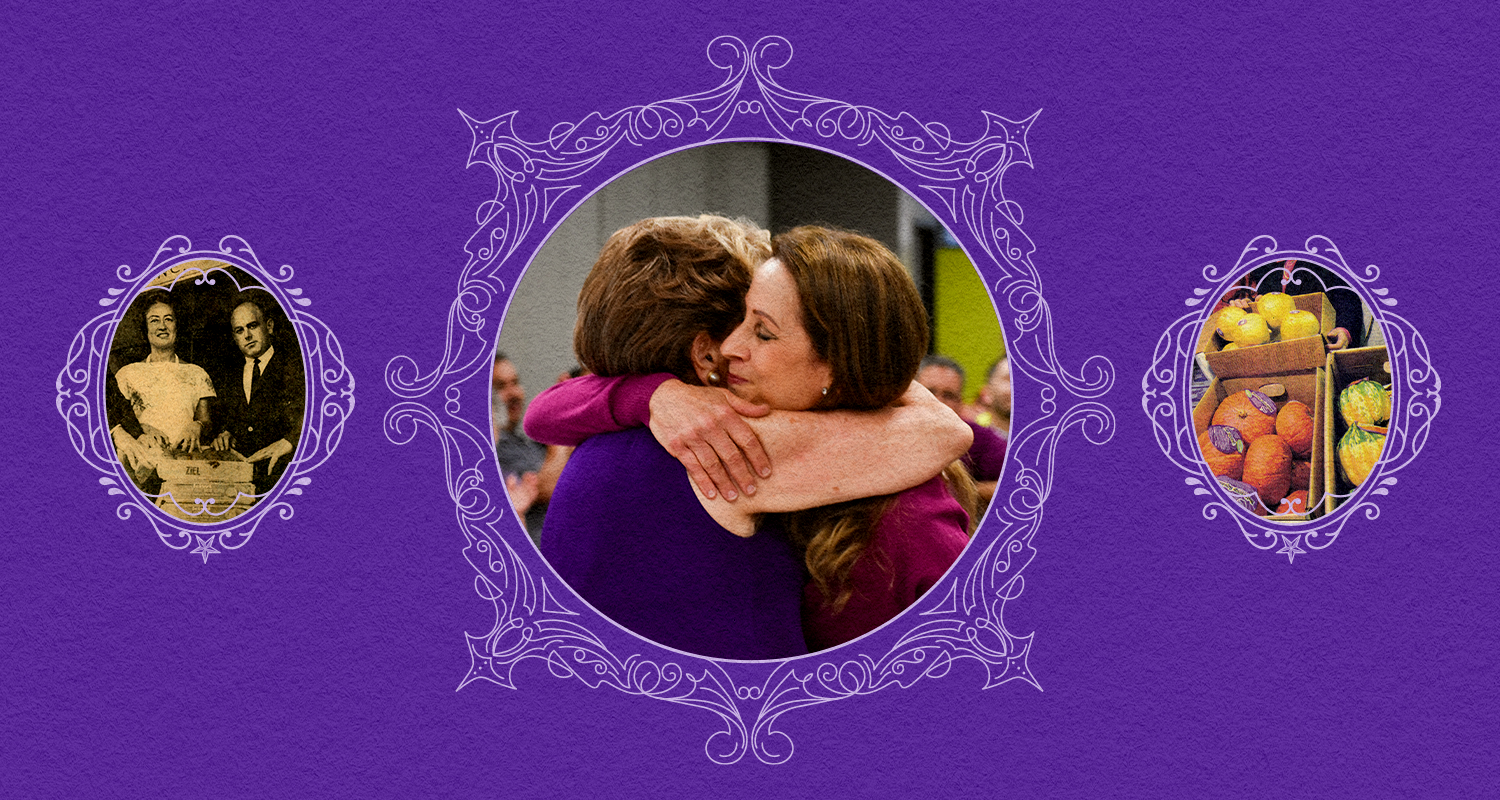
In 1977, her daughter Karen joined the company after graduating from the University of California, Davis, and later daughter Jackie Caplan Wiggins joined as well. Few teams in this industry have matched what the three of them built together. Probably one of the keys to their success is that they listened to the consumer and brought that intelligence directly to buyers.
Frieda received most of the industry's awards, but the one she most treasured was an honorary degree of Doctor of Humane Letters from Cal Poly San Luis Obispo. In 1990, she turned the company over to her daughters—Karen became President and Chief Executive Officer, Jackie became Vice President, and Frieda remained as Founder.
Under Karen and Jackie, the company continued to thrive and innovate—introducing new produce items and new ideas. They were the first to package specialty items in overwrap and clamshells, and among the first to use the label for marketing, including recipes and their website address. Frieda's had a dedicated person just to monitor its website and respond to inquiries—ahead of its time. It was one of the first produce companies—and certainly the first specialty company—to include PMA's Generic PLU number on bulk items and Generic UPC numbers on packaging. They maintained a group of food writers and influencers they were in constant contact with, always working to introduce the next kiwifruit.
That kind of expansion was not inevitable—it was driven by individuals who saw beyond the present and committed to building something new—products, categories, and ideas that had not yet existed.
Frieda passed away at age 96 in 2020. I have said to many people in this industry: "I had a special relationship with Frieda." Every time, the response is the same:"So did I." That is her truest legacy.
Karen and Jackie sold the company in 2023, when Legacy Farms acquired the assets of Frieda's, Inc. The company now operates as Frieda's Branded Produce under new Chief Executive Officer Dan Madsen, with Alex Jackson—Karen's eldest daughter and the third Caplan generation—serving as Vice President of Sales and Marketing. Karen and Jackie remain in an advisory capacity.
What Frieda started in 1962 is still growing. And the company color is still purple.