The path to success is forged by chances taken and mishaps turned into motivations.
“Based on our earliest trials, we didn’t believe that variety was going to work. So, thinking we’d need to wait six years after planting to see results, we chose not to invest in it,” Blake Belknap recalls of one trial and error.
Treefruit is not for the faint of heart, as Blake, Vice President of Sales, Rainier Fruit Company, illustrates when speaking to the initial trial of what our industry now knows as Cosmic Crisp®. “A couple of years later, the trees around the state matured. The variety is delightful, crunchy, and has good yield. And we were like, ‘oops.’”
What could have been a miss for Rainier has instead been a meet-cute for one of the company’s latest additions to its network of growers, Olympic Fruit.
 “That is how the industry goes,” Blake shares with a grin. “It’s hard to pick the right variety, especially with a limited amount of money to make mistakes spanning a thousand acres or so. Now, having Olympic Fruit come on with a couple of million cases of Cosmic fits like a glove. So, yeah, old dogs and new tricks!”
It is a candid and crucial glimpse into the world behind any fruit that has miraculously made it to market.
“Bill and Mark Zirkle often say that this certain plot of land is perfect for the fruit that will come out. Simple, but then we’ll invest deeply to make sure it’s trellised, covered, watered, and it turns out to be a win most of the time,” Blake says, his tone a balance of wonder and fact. “Some don’t have the stomach for pruning and spending all this money to make sure the fruit is extra flavorful. That’s costly; in the moment, it is challenging to see the ROI.”
I’ve often heard others, and even Rainier itself, compare the company to the very trees it cultivates. I can see the poetic alignment, and it is tempting, but the challenge Blake touches on reminds me less of its orchards and more of its mountain.
Specifically, I’m reminded that the goal isn’t the next summit, but to be a better climber.
“We set a high bar, which requires a disciplined approach and aligning our entire network of warehouses. It’s that discipline that our customers count on us for,” Blake points out. “We’re not easy to work with and pretty demanding because our customers have high expectations of us. It’s a precedent established generations ago by the Zirkle family, rooted in decades of cultivating exceptional fruit. That bar is unwavering.”
As such, Rainier has found its endurance not necessarily in the fruits of its labor, but in the hands accomplishing that labor.
Partners and new members of the network join what has come to be known as the company’s ‘family of families,’ ensuring that the legacy of doing things the right way remains paramount.
“We are blessed to have great customers who keep us turning on the line in the morning. We know we’re packing for somebody, we have good partnerships that we take care of through thick and thin, and both Olympic Fruit and our latest addition, the Congdon Group, are ready to meet that challenge with us,” Blake observes. “I think it might be harder to grow people than grow fruit, actually, but it’s more rewarding.”
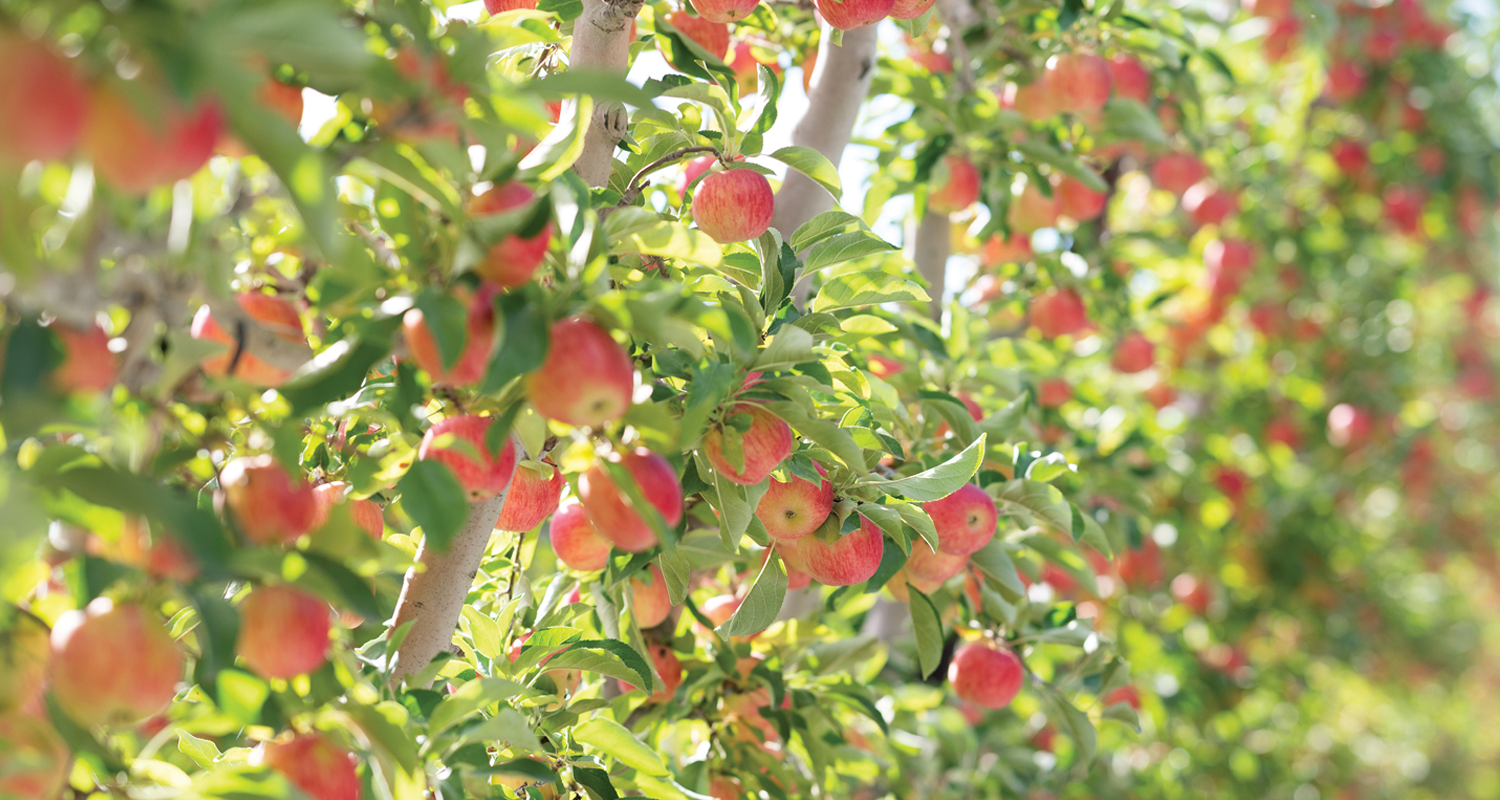
Congdon Orchards’ roots reflect a perfect symbiosis with this. Founded by a family that pioneered the area’s agriculture over the last couple of hundred years, Rainier is not just adding a partner; it is welcoming a historic pear grower.
“It all comes back to having the right people. The majority of our labor force is dedicated to picking fruit, and the same people return year after year. Throughout our operations, we are grower-based with a focus on having the fruit that eats right and is picked the right way, all of which raises costs. We see 95 percent retention year after year because we take the necessary steps to train and invest. And when we bring in thousands of people every year, it’s so neat that they’re the same people that have been here for six, seven, eight, nine, or even 10 seasons,” Blake shares.
“We set a high bar, which requires a disciplined approach and aligning our entire network of warehouses. It’s that discipline our customers count on us for.”
Blake Belknap, Vice President of Sales, Rainier Fruit Company
Just as Rainier has nurtured its fruit, it has nurtured a multigenerational commitment—with employees now working alongside the legacy of parents and grandparents who once picked for the same team.
“It’s a rewarding return for doing things the hard way through the entire system. It’s not easy to see day after day, week after week, but when you get into year after year, you begin to realize you’ve become a part of something greater,” Blake reflects. Again, he and I look metaphorically to the mountain. “As Bill and Mark have said, if anyone wants to follow us, they can try.”
Yes, others may watch the route you climb up a sheer cliff face; it doesn’t mean they’ll be able to follow. Taking a moment to reflect on the next summit, Blake and I take a look at some sharp turns the treefruit category has taken in recent years—specifically apples.
“Over the last 20 years, anytime you sat down with a retailer, the first thing they’d say is ‘What’s new?’ They would ask what we were seeing and what new varieties we were working on. That started to wane two or three years ago, and we started to hear, ‘There are too many apple varieties. I’m so tired of all these apple varieties!’ Trying new things when it was demanded has been an expensive lesson,” Blake observes.
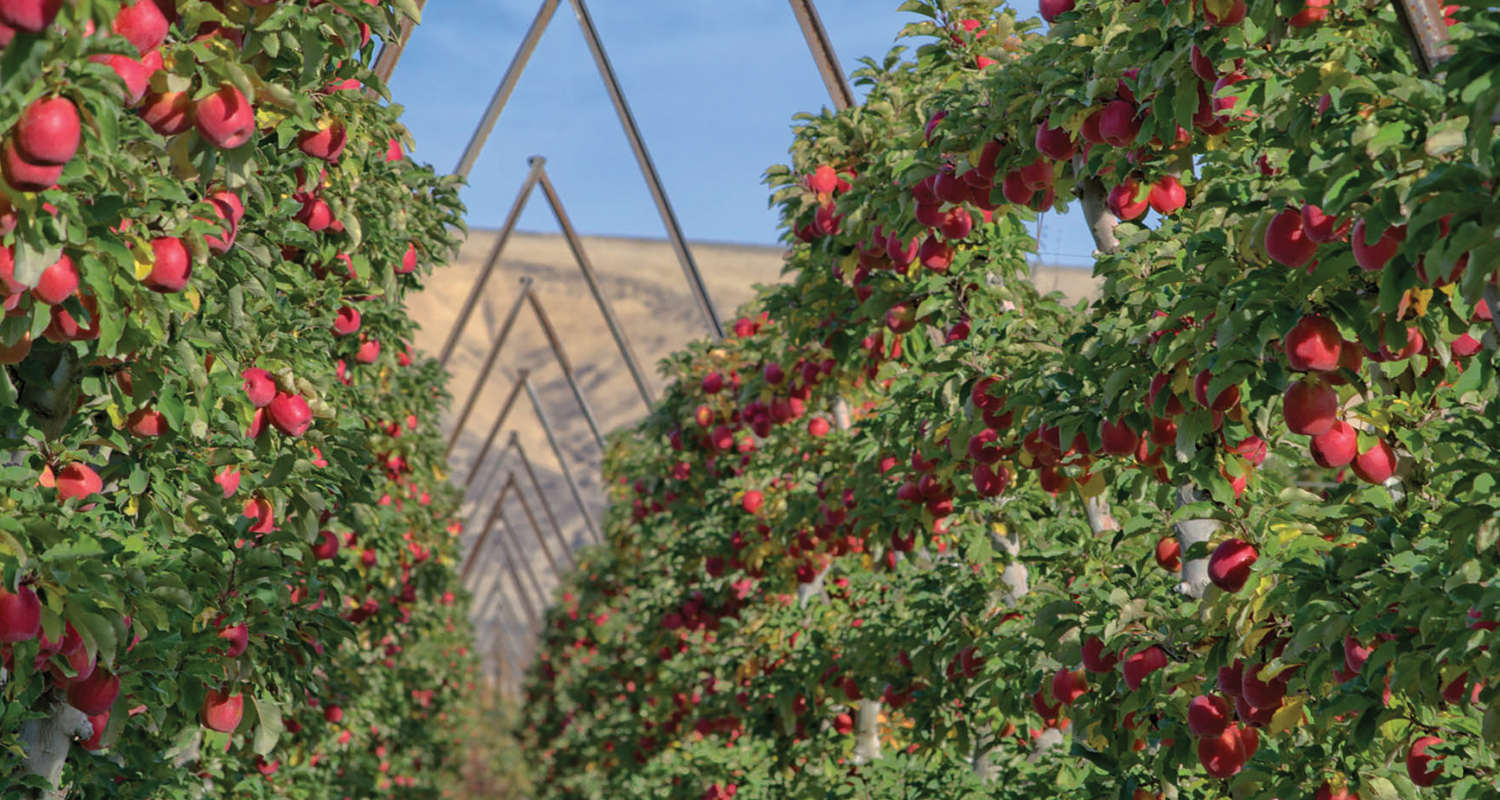
With the explosion of branded apples, retailers have reported a key challenge: keeping up with consumer education and clarification for each variety. Rather than staying the course, Rainier decided to deviate.
“We thought, ‘You know what, let’s major in the majors.’ We doubled down on organics, such as organic Honeycrisp, and we’ve been conscientious about partnerships—the Cosmic Crisp story is a great example, and so far it’s been a great success,” Blake smiles, knowing to keep an open mind.
Majoring in the majors, or what Rainier has come to call “the right mix,” focuses less on what is new and more on what is resonating with its customer base.
“The right mix consists of being really good and consistent where the top 90 percent of the sales are, and doing it all year ’round,” Blake explains. “By not making our customers go offshore and staying in branded products we have helped them develop, we’re able to keep expenses down, which is an added value.”
With overproduction in both branded and standard varieties, now is a challenging time for the apple scape. Something Blake helps me realize is that sometimes the way forward is the way back.
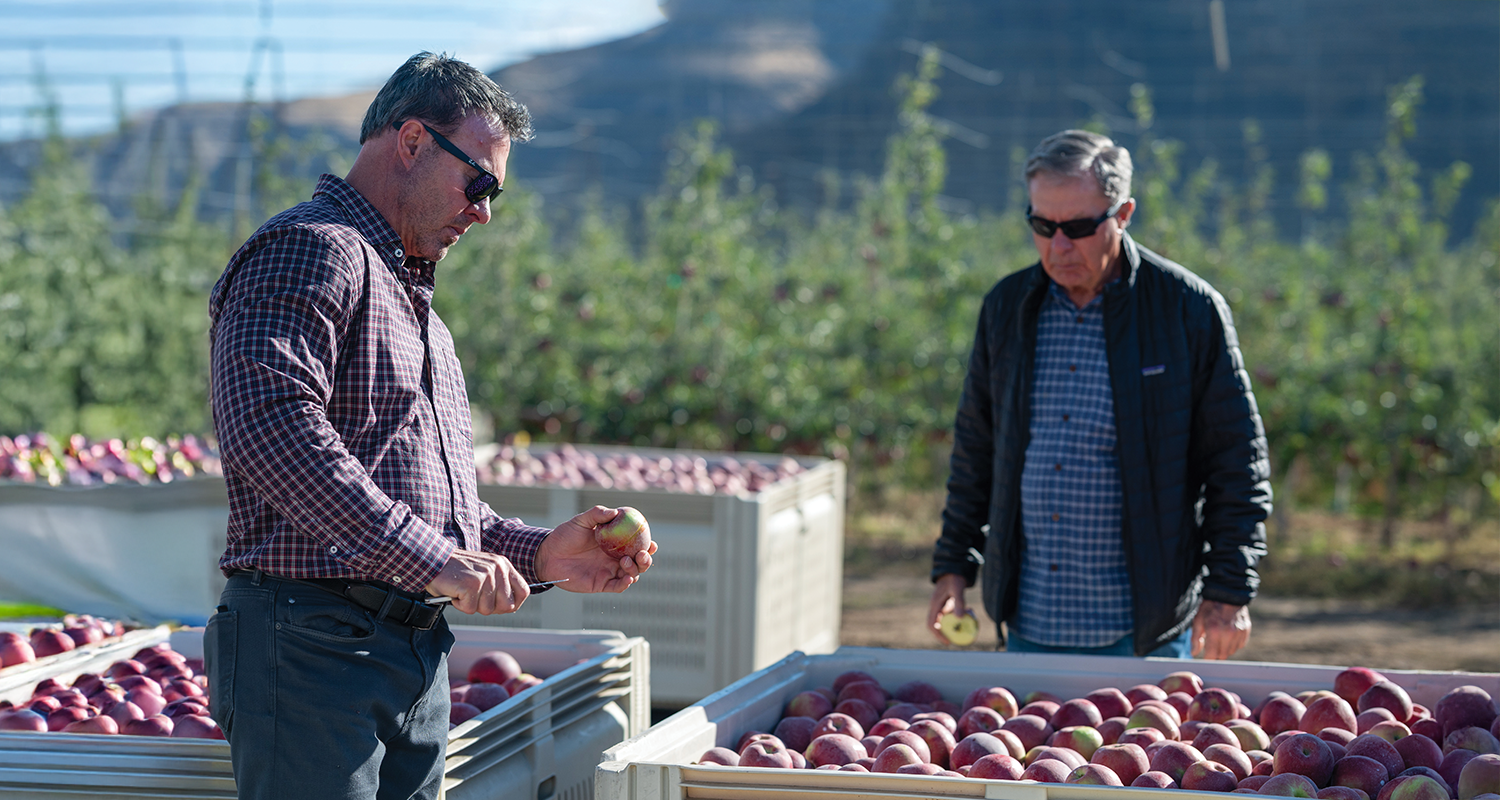
“We just celebrated 50 years last year for Rainier Fruit Company. When you think of how it all started, it was Bill Zirkle selling to only a few customers back in the day, being consistent, having a high bar, and just staying the course,” Blake reflects.
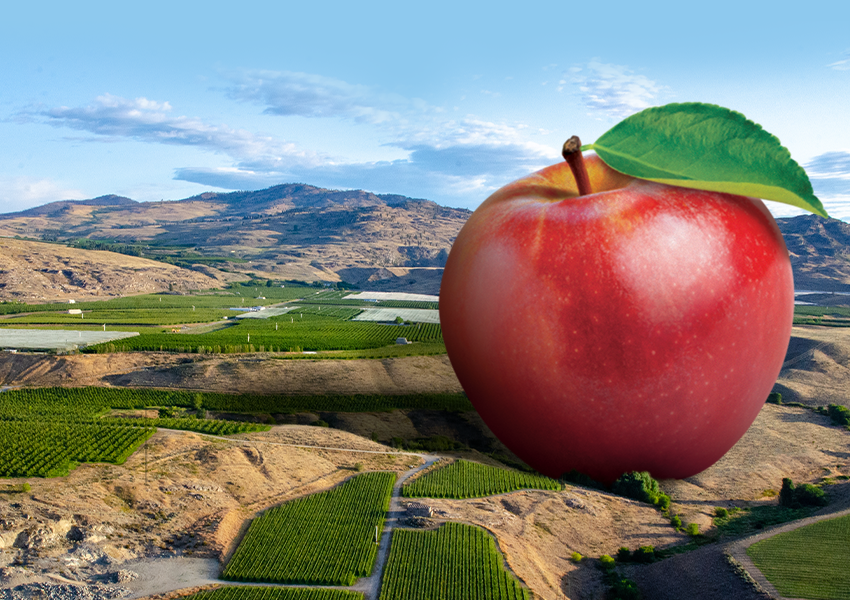
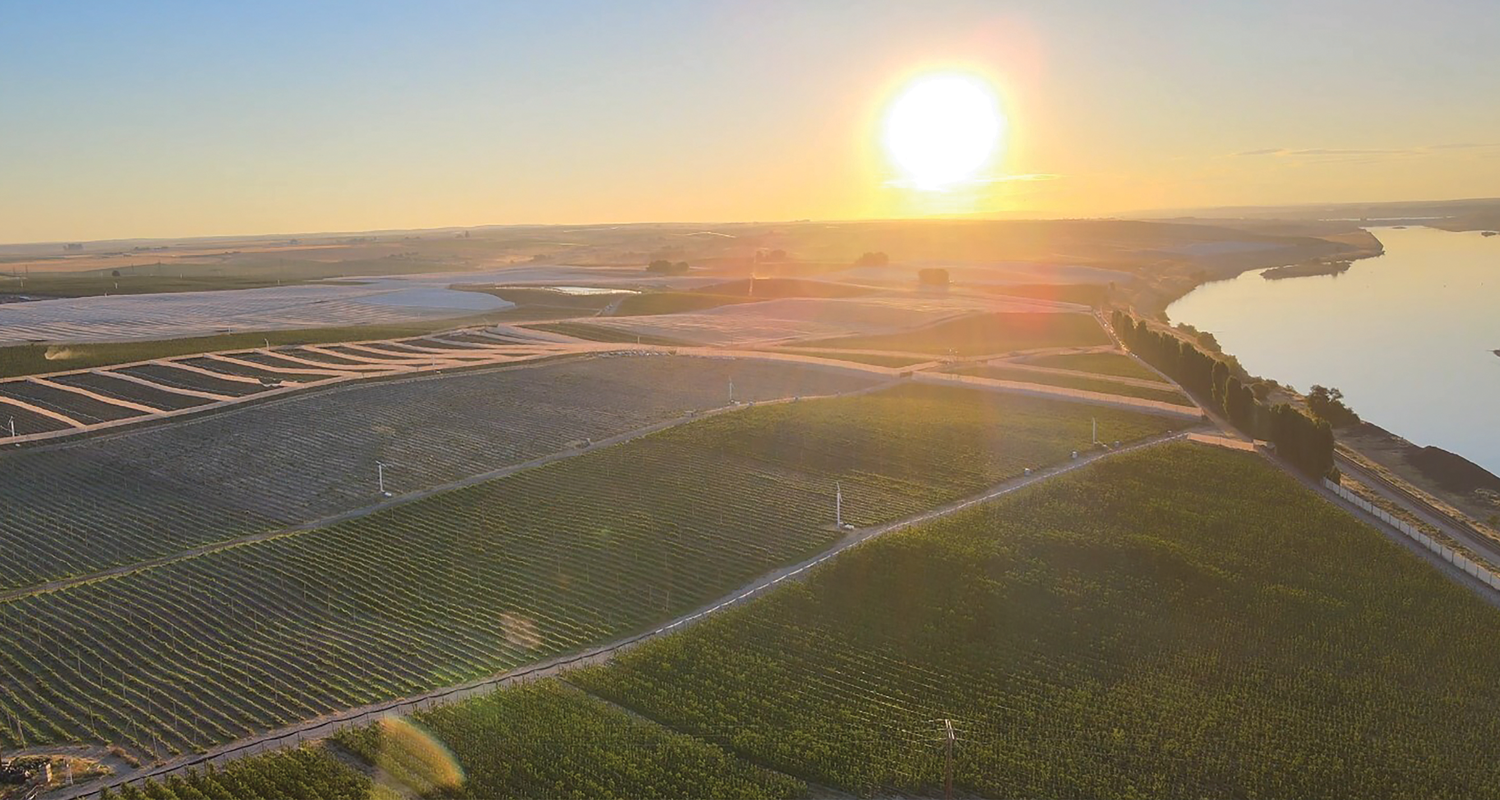
Mapping out the Rainier Fruit Company network, Blake tells me orchards go from around Mount Hood all the way up to the Canadian border. In total, from wine grapes to blueberries and everything in between, it’s somewhere around 28,000 acres of permanent crops. But this is hardly the summit.
“To look after this land, it takes a lot of really good people with the same outlook and attitude,” Blake sums up, finding his way back to the Zirkle mantra. “Do it right—at the end of the day, it’s the motto that’s got us through 50 years.”
In the end, moving mountains isn’t about sheer force—it’s about cultivating change with care, patience, commitment, and stewardship. One plot at a time.